









Legislative Process: How Laws Are Made in Indonesia
Jakarta, turkeconom.com – The legislative process in Indonesia is the formal procedure through which laws are proposed, discussed, approved, and enacted within the national legal system. It is a structured process involving constitutional institutions, legal drafting mechanisms, political negotiation, and public governance considerations. Understanding this process is important because laws do not appear suddenly. They are the result of institutional steps designed to ensure that legal rules are debated, reviewed, and formally authorized before they become binding.
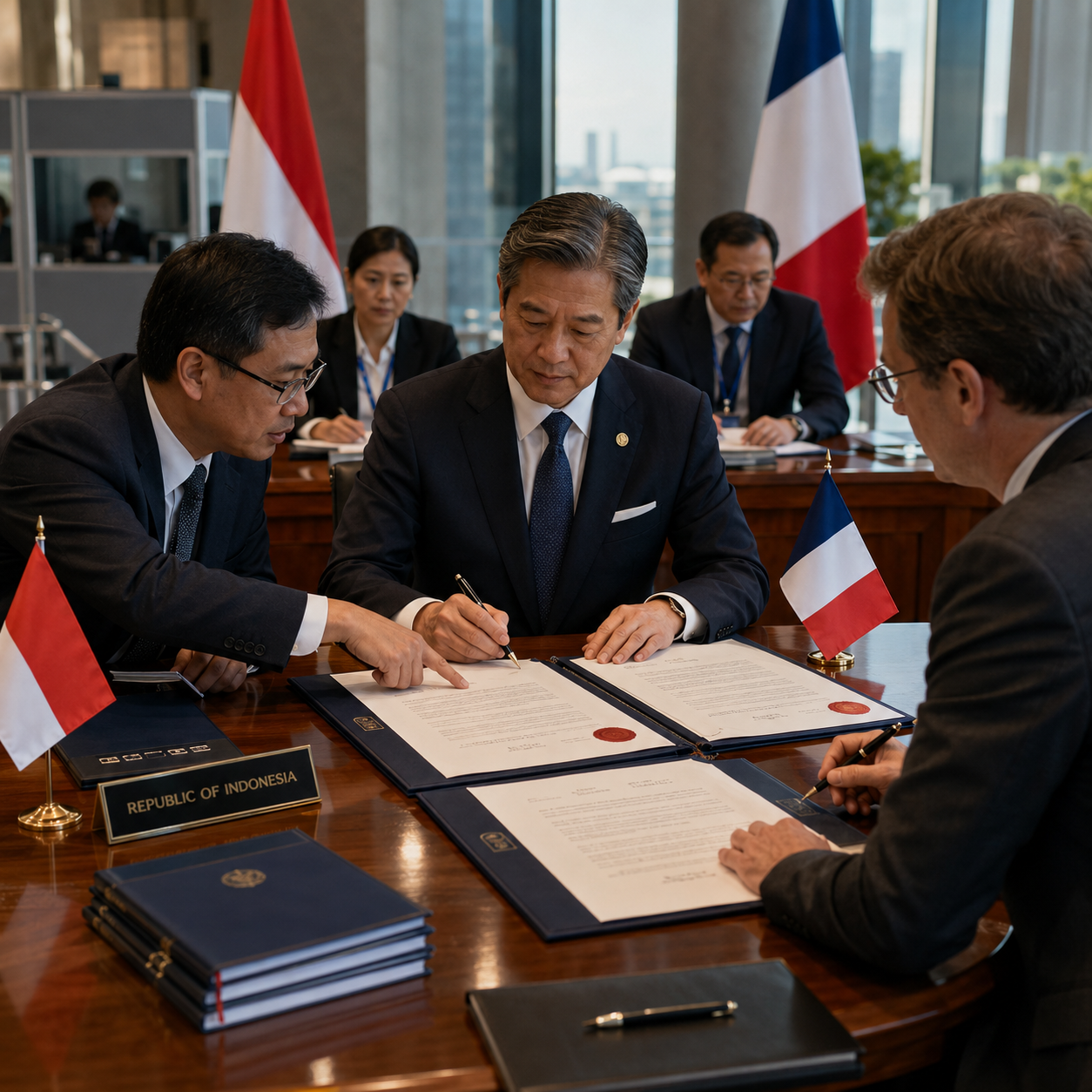
In Indonesia, the legislative process reflects the relationship between the House of Representatives, the President, and other state institutions involved in legal development and policy formulation. Each law moves through stages that include planning, drafting, deliberation, approval, ratification, and promulgation. These steps are meant to create legal certainty and democratic legitimacy within the framework of the Indonesian constitutional system. In simpler terms, making a law is a bit like assembling national rules through paperwork, politics, and a great deal of official patience.
What the Legislative Process Means
At its core, the legislative process is the sequence of legal and institutional steps used to create statutory law in Indonesia.
Main characteristics
The legislative process in Indonesia is generally marked by:
- Formal constitutional procedures
- Institutional involvement by state bodies
- Written drafting and review stages
- Deliberation and approval mechanisms
- Final enactment and publication requirements
These characteristics ensure that lawmaking follows a recognized legal path rather than informal decision making.
Main Institutions Involved
Several institutions play important roles in the legislative process.
House of Representatives
The House of Representatives is a central institution in discussing and approving proposed laws.
President
The President has authority in proposing certain bills and in jointly discussing legislation with the House of Representatives.
Regional Representative Council
In certain matters, the Regional Representative Council may participate by proposing or discussing bills related to regional interests.
Government ministries and legal drafters
Technical ministries and legal experts often support the preparation, formulation, and harmonization of draft legislation.
Below is a concise summary of the key institutional roles in the legislative process.
| Institution | Main Role | Why It Matters |
|---|---|---|
| House of Representatives | Discusses and approves bills | Central legislative authority |
| President | Participates in proposing and approving laws | Reflects executive involvement in lawmaking |
| Regional Representative Council | Contributes on regional matters | Brings regional perspectives into legislation |
| Ministries and drafters | Prepare and refine draft laws | Support legal and technical quality |
Together, these institutions shape how legislation moves from proposal to enacted law.
Stages of the Legislative Process in Indonesia
The legislative process follows several major stages from beginning to end.
Planning
Lawmaking usually begins with legislative planning. Proposed laws are identified and prioritized through a formal legislative program.
Drafting
At this stage, the bill is prepared in written form. Drafting includes legal formulation, policy reasoning, and technical structuring.
Discussion
The bill is then discussed by the relevant institutions, especially the House of Representatives and the President or government representatives. This stage may involve debate, revision, and negotiation.
Approval
Once the discussions are completed and agreement is reached, the bill is formally approved.
Ratification
After approval, the bill proceeds to ratification according to the constitutional process.
Promulgation
A law becomes officially binding after it is promulgated and published in the official state record.
These stages are essential because a legal rule must pass through formal recognition before it gains force as law.
Why the Legislative Process Matters
The legislative process matters because it supports legitimacy, accountability, and legal certainty in governance.
Democratic function
It helps ensure:
- Representation in lawmaking
- Institutional checks and balances
- Debate before legal adoption
- Public governance through formal procedure
Legal function
It also provides:
- Clear legal authority
- Structured drafting standards
- Predictability in national regulation
- Proper publication and enforceability
This process is important not only for creating laws but also for preserving confidence in the legal system itself.
Broader Significance in Indonesian Governance
The legislative process is closely tied to how Indonesia manages constitutional democracy and state administration.
Governance impact
Through this process, the state can:
- Regulate public life
- Implement policy goals
- Define rights and obligations
- Adjust legal frameworks to national needs
Public importance
For citizens, understanding the legislative process helps explain:
- How legal changes happen
- Why institutions matter
- How policy becomes binding law
- Why procedure affects legitimacy
A law is not only about content. It is also about how that content was created. In governance, process matters almost as much as the final result, which is a polite way of saying that legal shortcuts tend to age badly.
Conclusion
The legislative process in Indonesia is the formal path through which laws are planned, drafted, discussed, approved, ratified, and promulgated. It involves key constitutional institutions, especially the House of Representatives and the President, and operates within a structured legal framework designed to ensure legitimacy and legal certainty. Understanding how laws are made helps clarify how governance functions in practice and why procedure is essential to the rule of law.
The key takeaway is simple. The legislative process matters because laws gain authority not only from what they say, but from the lawful and democratic way they are created.
Explore our “”Politic“” category for more insightful content!
Don't forget to check out our previous article: Wawasan Nusantara: Indonesia's Archipelagic Outlook and Its Geopolitical Significance
