







Press Freedom: Ensuring a Free and Independent Media Landscape in Indonesia
Jakarta, turkeconom.com – Press Freedom refers to the principle that journalists, news organizations, and media institutions must be able to gather, produce, and distribute information without undue censorship, intimidation, or interference. In Indonesia, press freedom is closely tied to democratic development, public accountability, and the constitutional protection of expression. A free and independent media landscape allows citizens to access information, scrutinize public institutions, understand social issues, and participate more meaningfully in civic life.
What makes Press Freedom especially important in Indonesia is the country’s political history and democratic evolution. After periods in which media activity faced strong restrictions, reforms opened space for broader journalistic independence and public discourse. That progress has made the press a central pillar of democratic society, but it has also brought new challenges related to ownership concentration, digital misinformation, legal pressure, journalist safety, and uneven institutional protections. A free press is not simply about allowing publication. It is about protecting the conditions that make truthful, critical, and responsible reporting possible.
What Press Freedom Means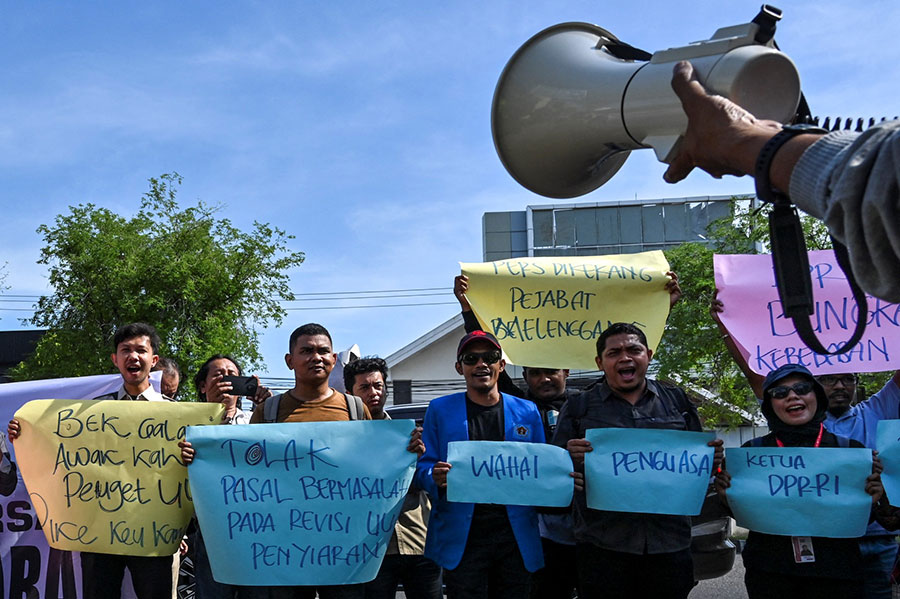
At its core, Press Freedom means that the media can operate independently and report on matters of public interest without improper control or coercion.
Common elements of press freedom include:
- Editorial independence
- Protection from censorship
- Access to public information
- Legal safeguards for journalism
- Protection for journalists from intimidation or violence
- Freedom to investigate public institutions
- Space for public criticism and debate
These elements help define the practical foundations of a healthy media system.
Why Press Freedom Matters
This matters because democratic societies depend on the open circulation of reliable information.
Public Accountability
A free press helps monitor government actions, institutional behavior, and the use of public power.
Informed Citizenship
Citizens need independent reporting to understand policies, events, and social conditions.
Democratic Participation
Media openness supports public discussion, criticism, and broader civic engagement.
Protection Against Abuse
Journalistic scrutiny can expose corruption, misconduct, and misuse of authority.
This is why press freedom remains central to democratic resilience in Indonesia.
Press Freedom in the Indonesian Context
In Indonesia, Press Freedom is shaped by constitutional rights, legal frameworks, political practice, and media institutions.
Reform and Democratization
The post-authoritarian era created greater space for independent journalism and media pluralism.
Legal Recognition
Freedom of expression and press activity are protected through constitutional principles and sector-specific regulation.
Media Diversity
Indonesia has a large and active media environment that includes print, broadcast, online, and community-based outlets.
Continuing Pressure Points
Despite progress, the media still faces legal disputes, political influence, economic pressure, digital harassment, and threats to journalist safety.
Together, these factors show that press freedom in Indonesia is both an achievement and an ongoing responsibility.
Press Freedom Overview Table
Below is a concise summary of the main dimensions of Press Freedom in Indonesia.
| Dimension | Main Role | Why It Matters |
|---|---|---|
| Editorial independence | Protects newsroom judgment | Supports unbiased reporting |
| Legal protection | Shields journalistic activity | Reduces arbitrary suppression |
| Access to information | Enables evidence-based reporting | Improves transparency |
| Journalist safety | Protects media workers from harm | Sustains investigative work |
| Media plurality | Expands viewpoints and coverage | Strengthens democratic discourse |
Together, these dimensions show why press freedom depends on both rights and institutional support.
Key Challenges to Press Freedom in Indonesia
Several obstacles continue to affect the quality and security of the media environment.
Legal and Regulatory Pressure
Defamation claims, restrictive interpretations, or unclear legal enforcement can create a chilling effect.
Violence and Intimidation
Journalists may face threats, harassment, or physical danger while reporting sensitive issues.
Ownership Concentration
Media independence can be weakened when ownership is heavily concentrated or politically connected.
Digital Disinformation
The spread of false or manipulated content can undermine public trust in journalism.
Economic Vulnerability
Financial pressure may affect newsroom capacity, editorial independence, and investigative depth.
These challenges show that press freedom requires more than formal recognition alone.
Strengthening Press Freedom in Practice
A durable free media landscape depends on practical support across institutions and society.
Stronger Legal Safeguards
Clear protections for journalistic work reduce fear of arbitrary punishment.
Institutional Independence
Regulators, courts, and oversight bodies should protect rights rather than serve political interests.
Journalist Protection Mechanisms
Safety training, legal aid, and rapid response systems can help protect media workers.
Media Literacy
A more informed public is better equipped to distinguish credible journalism from misinformation.
Sustainable Media Models
Independent media needs viable business structures to maintain quality reporting and editorial autonomy.
These steps help turn the principle of press freedom into an everyday reality.
Why Press Freedom Continues to Matter
Press Freedom continues to matter because no democratic society can function well without independent scrutiny, public information, and open criticism. In Indonesia, where democratic progress depends on institutional accountability and civic participation, the media plays an essential role in connecting citizens to power and power to public judgment. A press that can investigate freely, report responsibly, and operate safely is not a luxury of democracy. It is part of democracy’s operating system, and like any essential system, people tend to notice it most when it starts malfunctioning.
It continues to matter because it helps:
- Protect democratic accountability
- Inform the public accurately
- Expose misconduct and corruption
- Support open public debate
- Strengthen civic participation in Indonesia
This is why press freedom remains a fundamental part of a free and democratic media landscape.
Final Thoughts
Press Freedom is the condition that allows journalists and media institutions to report independently, critically, and safely in the public interest. In Indonesia, its importance lies in supporting democratic development, improving accountability, and ensuring that citizens have access to meaningful and reliable information. While progress has been significant, lasting press freedom depends on legal protection, journalist safety, institutional integrity, and public commitment to open information.
The key takeaway is simple. Press Freedom matters because a free and independent media landscape is essential to democracy, accountability, and informed citizenship in Indonesia.
Explore our “”Politic”” category for more insightful content!
Don’t forget to check out our previous article:
