










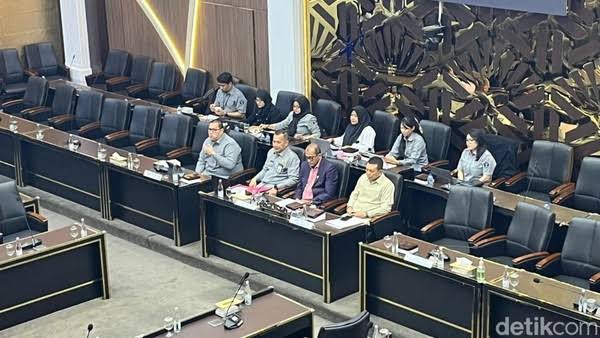
Legislative Assembly: The Heartbeat of National Unity
Jakarta, turkeconom.com – A Legislative Assembly is one of the central institutions of government, responsible for debating, shaping, and approving laws that guide a nation or region. It serves as a formal arena where elected representatives deliberate on public issues, propose policies, scrutinize executive actions, and express the interests of the people they represent. In democratic systems especially, the legislative assembly is a foundational part of political structure because it connects public will with legal authority.
What makes a legislative assembly especially important is that it is more than a lawmaking body. It is also a space for representation, accountability, and national dialogue. Through debate, committee work, voting, and oversight, it helps balance competing interests and transform political disagreement into institutional process. In short, it is where a country attempts to argue with itself in an organized manner, which is already a major civic achievement.
What a Legislative Assembly Is

At its core, a Legislative Assembly is a governing body empowered to create, amend, debate, and pass legislation. Depending on the country or political system, it may be a national parliament, a provincial or state legislature, or one chamber within a bicameral system.
Common functions of a legislative assembly include:
- Drafting and debating laws
- Passing legislation
- Representing citizens and constituencies
- Reviewing government actions
- Approving budgets and taxation measures
- Holding public discussions on national issues
- Participating in constitutional or institutional reform
- Providing a forum for political accountability
These functions make the legislative assembly central to governance and democratic legitimacy.
Why the Legislative Assembly Matters
This matters because laws, rights, budgets, and national direction depend on structured political decision-making.
Representation
Members of the legislative assembly speak for different regions, communities, or political viewpoints.
Lawmaking Authority
The assembly gives legal form to public policy and national priorities.
Executive Oversight
It can question, review, or challenge actions taken by the government or executive branch.
National Cohesion
By bringing diverse voices into one institution, it helps manage disagreement within a common constitutional framework.
This is why legislative assemblies are often seen as pillars of public order and civic participation.
Key Roles of a Legislative Assembly
Its importance becomes clearer when looking at the major roles it performs.
Creating Laws
The assembly debates bills, proposes amendments, and decides whether legislation should pass.
Approving Public Spending
Budgets, taxation, and major financial measures often require legislative approval.
Representing Public Interests
Elected members bring local and national concerns into the political process.
Monitoring Government
Hearings, debates, and committee reviews help ensure accountability from ministers and agencies.
Supporting Institutional Stability
A functioning legislative body helps sustain constitutional order and peaceful governance.
Together, these roles show why the assembly is central to the political system.
Legislative Assembly Overview Table
Below is a concise summary of the main dimensions of a Legislative Assembly.
| Dimension | Main Role | Why It Matters |
|---|---|---|
| Representation | Voices public interests | Connects citizens to government |
| Lawmaking | Debates and passes legislation | Shapes legal and policy direction |
| Oversight | Reviews executive conduct | Protects accountability |
| Budget approval | Authorizes spending and taxation | Controls national resources |
| Deliberation | Provides a forum for debate | Supports democratic process |
Together, these dimensions explain why the legislative assembly is often described as a core institution of governance.
How a Legislative Assembly Supports National Unity
The phrase “heartbeat of national unity” reflects the assembly’s broader symbolic and practical role.
Bringing Diverse Voices Together
Different political parties, regions, and communities meet in one formal institution.
Managing Conflict Through Process
Disagreement is handled through debate, voting, and procedure rather than force or disorder.
Building Shared Legitimacy
Laws gain stronger legitimacy when they are debated and approved through representative institutions.
Reflecting National Identity
The assembly often becomes a visible symbol of constitutional order, citizenship, and collective decision-making.
These functions help explain how legislative institutions can contribute to cohesion even in divided societies.
Common Challenges Faced by Legislative Assemblies
Despite their importance, these institutions often face serious pressures.
Political Polarization
Sharp partisan division can make compromise and effective lawmaking more difficult.
Executive Dominance
In some systems, the executive branch may overshadow the assembly’s independence.
Public Distrust
Low trust in politicians or institutions can weaken the perceived legitimacy of legislative processes.
Procedural Gridlock
Complex rules or entrenched conflict can slow decisions and frustrate public expectations.
These challenges are real, but they do not reduce the importance of the institution itself.
Why Legislative Assemblies Continue to Matter
A Legislative Assembly continues to matter because societies need legitimate institutions where laws are debated, public concerns are represented, and governments are held accountable. In times of stability, the assembly supports ordered governance and policy development. In times of tension, it provides a constitutional space for disagreement, negotiation, and collective decision-making. That dual role makes it essential not only to democracy, but to national continuity and political legitimacy.
It continues to matter because it helps:
- Represent citizens in government
- Create and review laws
- Check executive power
- Approve public budgets
- Strengthen national cohesion through shared process
This is why legislative assemblies remain at the center of public life in many political systems.
Final Thoughts
A Legislative Assembly is far more than a chamber for political debate. It is a central institution of lawmaking, representation, oversight, and constitutional order. By bringing diverse voices into a structured decision-making process, it helps shape public policy while also supporting accountability and national cohesion. Its value lies not only in the laws it passes, but in the legitimacy and unity it can foster through representative governance.
The key takeaway is simple. A Legislative Assembly matters because it gives a nation a lawful and representative way to debate its future together.
Explore our “”Politic“” category for more insightful content!
Don't forget to check out our previous article: Voter Turnout: Trends in Indonesian Electoral Participation
