






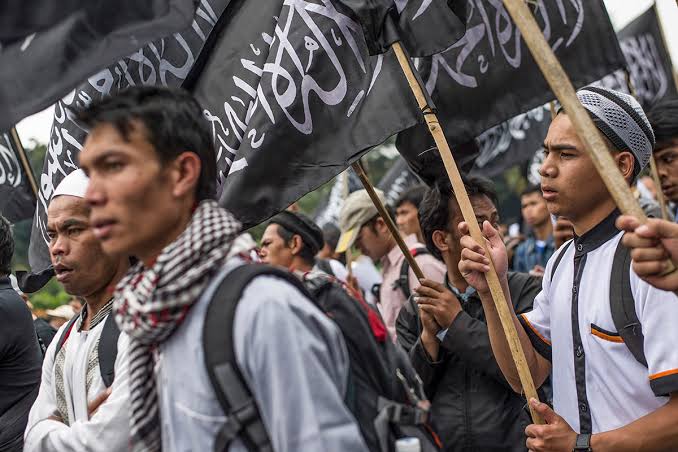
Islamism: The Role of Islam in Indonesian Politics
Jakarta, turkeconom.com – Islam has long played an important role in Indonesian politics, society, and national identity. As the country with the largest Muslim population in the world, Indonesia presents a unique political landscape in which religion influences public life while coexisting with a pluralist state framework. Discussions of Islamism in Indonesia often focus on how Islamic values, parties, movements, and organizations interact with democratic institutions, state authority, and social change. This makes the topic both politically significant and historically complex.
What makes the Indonesian case especially important is that the role of Islam in politics has never been simple or uniform. It includes mainstream religious organizations, Islamic political parties, reformist movements, conservative activism, and debates over law, morality, education, and national identity. In Indonesia, Islamism does not refer to one single movement with one single goal. Instead, it describes a broad range of efforts to shape politics and society through Islamic ideas and norms. In short, Indonesian politics involves not just parties and policies, but also an ongoing negotiation over how religion should influence public life.
What Islamism Means in the Indonesian Context
In the Indonesian context, Islamism generally refers to political and social movements that seek to increase the role of Islam in governance, law, public morality, or national life. These efforts vary widely in tone, strategy, and goals, ranging from democratic participation within the constitutional system to more conservative or exclusivist demands for stronger formal application of Islamic principles.
Common dimensions of Islamism in Indonesia include:
- Advocacy for greater Islamic influence in public policy
- Participation through Islamic political parties
- Mobilization by religious organizations and movements
- Debates over sharia-inspired local regulations
- Public campaigns around morality and social order
- Tension between pluralism and religious conservatism
- Engagement with democratic institutions
- Contestation over national identity and citizenship
These dimensions show that Islamism in Indonesia is diverse and cannot be reduced to a single ideology or method.
Historical Background of Islam in Indonesian Politics
The relationship between Islam and politics in Indonesia has developed over time and through major political transitions.
Early Independence Period
After independence, debates emerged over whether Indonesia should become an Islamic state or a pluralist republic based on Pancasila. This question shaped the early political role of Islamic groups and parties.
Guided Democracy and the New Order
During Sukarno and later Suharto, Islamic political expression was restricted and managed by the state. Islamic forces remained important socially, but their political space was often limited or tightly controlled.
Reformasi Era
After the fall of Suharto in 1998, democratization opened new opportunities for Islamic parties, civil society groups, and religious activism. This period saw renewed public debates about Islam, democracy, law, and identity.
This historical trajectory helps explain why Islamic politics in Indonesia remains dynamic and contested.
Main Actors in Indonesian Islamic Politics
The role of Islam in Indonesian politics is shaped by a variety of institutions and movements.
Islamic Political Parties
Several parties draw support from Muslim constituencies or explicitly frame themselves around Islamic values, though they differ in ideology and political strategy.
Mass Religious Organizations
Large organizations such as Nahdlatul Ulama and Muhammadiyah have played major roles in shaping public opinion, education, reform, and civic life, often with broad national influence.
Preachers, Activists, and Social Movements
Public intellectuals, religious leaders, and activist networks influence political debates through sermons, media, demonstrations, and community organizing.
Local Governments and Regulatory Institutions
In some regions, local authorities have introduced sharia-inspired regulations, making subnational politics an important arena for Islamic influence.
Together, these actors show that Islam in Indonesian politics extends far beyond elections alone.
Islamism in Indonesian Politics Overview Table
Below is a concise summary of the main dimensions of Islamism in Indonesian politics.
| Dimension | Main Role | Why It Matters |
|---|---|---|
| Islamic parties | Represent religiously oriented voters | Shape legislation and electoral politics |
| Religious organizations | Influence education and public values | Affect civic and political culture |
| Social movements | Mobilize support around Islamic issues | Pressure institutions and public debate |
| Local regulations | Apply religious norms in specific regions | Show variation in state-religion relations |
| National ideology debate | Frames Islam within Pancasila democracy | Defines limits and possibilities of political Islam |
Together, these dimensions show why the role of Islam in Indonesian politics is both influential and highly complex.
Key Debates and Tensions
The role of Islam in Indonesian politics involves several ongoing debates.
Islam and Democracy
One major question is how Islamic political aspirations fit within democratic pluralism and constitutional governance.
Sharia and the State
Debates continue over whether Islamic law should influence national legislation, local regulations, or personal morality.
Moderation and Conservatism
Indonesia is often praised for moderate Islamic traditions, yet conservative and exclusivist currents have also gained visibility in certain periods.
Religion and Citizenship
Political struggles sometimes center on who belongs, whose values shape public norms, and how minority rights are protected.
These tensions make Islamism in Indonesia a subject of continuing political and academic importance.
Why the Topic Matters
Understanding Islamism in Indonesian politics matters because religion remains a powerful force in shaping public values, political behavior, and institutional development. Indonesia is often seen as a key case for examining whether Islam, democracy, and pluralism can coexist within a large and diverse nation-state. The answer is not fixed. It depends on elections, leadership, civil society, legal frameworks, and broader social change.
The topic continues to matter because it affects:
- Democratic development
- Legal and constitutional debate
- Minority rights and pluralism
- Public morality and education policy
- National identity and political competition
This is why the role of Islam in Indonesian politics remains central to understanding the country’s present and future.
Final Thoughts
Islamism and the role of Islam in Indonesian politics cannot be understood through simple labels. Indonesia’s experience reflects a wide spectrum of religious engagement with politics, from democratic participation and civic activism to conservative pressure and legal reform efforts. The relationship between Islam and the state is shaped by history, institutions, local variation, and ongoing debate over the meaning of democracy, pluralism, and national identity.
The key takeaway is simple. The role of Islam in Indonesian politics matters because it helps shape how the country balances religion, democracy, and diversity in public life.
Explore our “”Politic“” category for more insightful content!
Don't forget to check out our previous article: Civic Engagement: Encouraging Participation in Indonesia
