









Indonesia Political Alliances: Coalition Building in Indonesia Politics
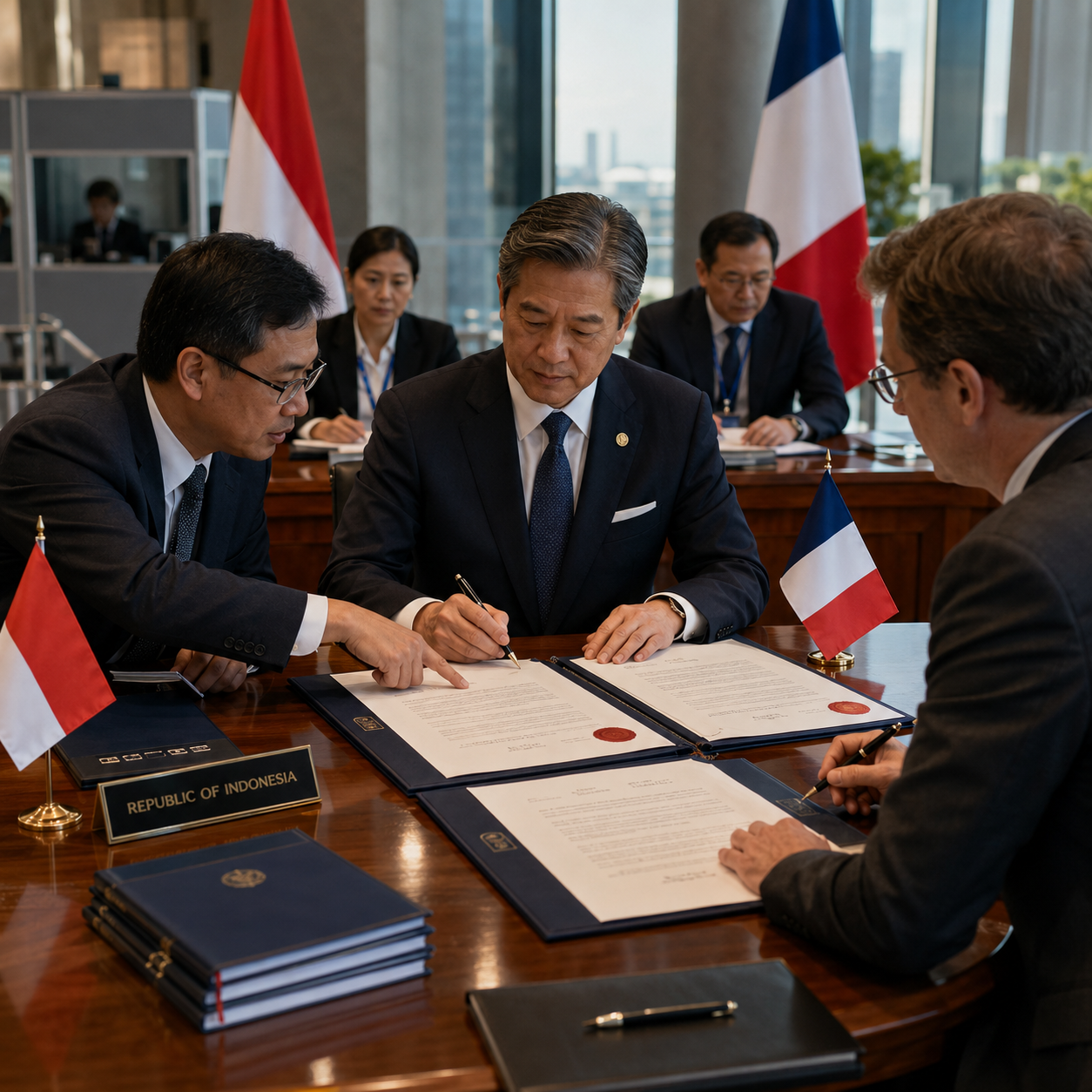
Jakarta, turkeconom.com – Indonesia Political Alliances play a central role in shaping how power is organized, negotiated, and exercised within the country’s democratic system. Because Indonesia has a multi-party political structure, no single party can easily dominate national politics on its own. As a result, coalition building becomes essential during elections, government formation, legislative negotiations, and presidential support strategies. These alliances influence not only who governs, but also how policies are pursued and how political stability is maintained.
What makes Indonesia Political Alliances especially important is that they reflect both democratic competition and practical compromise. Political parties in Indonesia often build coalitions based on electoral strategy, ideological proximity, leadership interests, regional influence, or access to governing power. These alliances can be fluid, strategic, and sometimes surprising, which makes Indonesian politics dynamic and highly negotiated. In short, politics in Indonesia is often less like a straight road and more like a very busy roundabout where everyone is signaling something slightly different.
What Indonesia Political Alliances Are
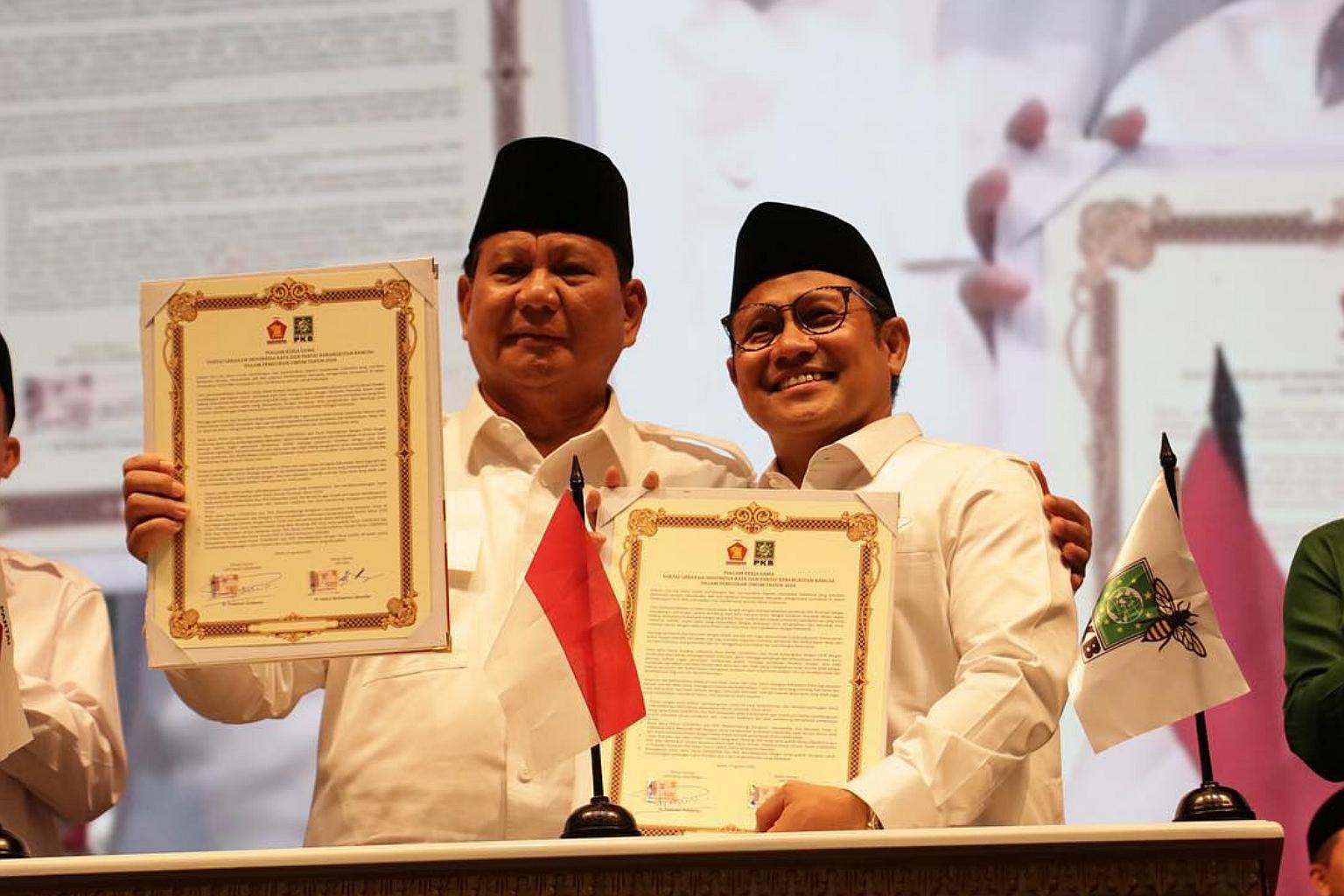
Indonesia Political Alliances refer to formal or informal cooperation among political parties, leaders, or political groups in Indonesia for the purpose of winning elections, forming governments, supporting presidential candidates, influencing legislation, or advancing shared political interests. In Indonesia’s multi-party system, alliances are often necessary to meet electoral thresholds and secure effective political power.
Common features associated with Indonesia Political Alliances include:
- Multi-party cooperation
- Electoral strategy
- Presidential and legislative support
- Coalition negotiation
- Shared or overlapping political interests
- Power-sharing arrangements
- Flexible political partnerships
- Government formation dynamics
These features explain why alliances are a defining part of Indonesia politics.
Why Indonesia Political Alliances Matter
Indonesia Political Alliances matter because political power in Indonesia is usually built through cooperation rather than single-party control.
Coalition Governance
Alliances are often necessary to form stable governments and legislative majorities.
Electoral Viability
Parties may need coalition partners to support presidential nominations or strengthen election performance.
Policy Negotiation
Coalitions affect which policies can move forward and how compromises are made.
Political Stability
Broader alliances can reduce confrontation and support continuity in governance.
Representation
Coalitions can bring together groups with different social, regional, or ideological constituencies.
These strengths explain why alliance building is essential in Indonesia’s political system.
Core Characteristics of Indonesia Political Alliances
Their role becomes clearer when their main qualities are viewed together.
| Characteristic | Description | Why It Matters |
|---|---|---|
| Multi-party structure | Alliances involve several political parties | Reflects Indonesia’s fragmented party system |
| Strategic negotiation | Coalitions are built through bargaining and agreement | Shapes access to power and influence |
| Flexible alignment | Alliances may shift based on elections or political needs | Makes Indonesian politics dynamic |
| Presidential focus | Coalitions often form around candidate support | Influences executive leadership outcomes |
| Legislative importance | Parliamentary cooperation affects lawmaking | Determines governance effectiveness |
Together, these characteristics show why Indonesia Political Alliances are central to coalition building in Indonesia politics.
How Coalition Building Works in Indonesia Politics
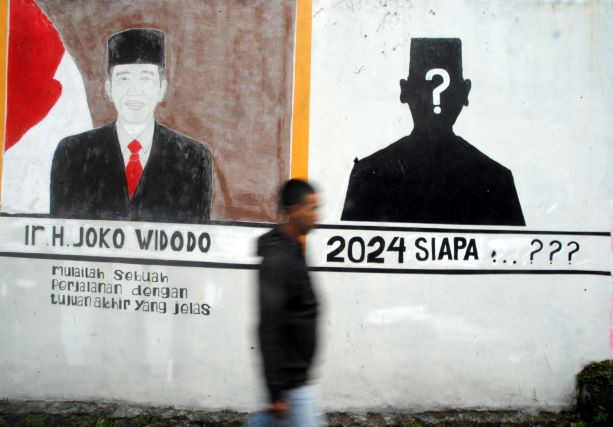
Coalition building in Indonesia politics usually begins with electoral calculations and leadership negotiations. Political parties assess their strength, identify compatible or useful partners, and negotiate support around candidates, cabinet roles, legislative cooperation, and broader political goals. In presidential elections, alliances are especially important because parties often need to combine support to meet nomination requirements and strengthen national appeal.
They are especially associated with:
- Presidential election strategy
- Parliamentary cooperation
- Cabinet formation
- Party negotiations
- Electoral thresholds
- Regional political influence
- Leadership bargaining
- Governance coalitions
This broad application shows how Indonesia Political Alliances influence nearly every stage of political competition and governance.
Challenges in Political Alliance Building
While alliances are necessary, they also create challenges within Indonesia politics.
Ideological Differences
Parties within a coalition may not share the same priorities or policy preferences.
Short-Term Strategy
Some alliances are driven more by electoral gain than by long-term programmatic agreement.
Internal Tension
Power-sharing arrangements can lead to rivalry, dissatisfaction, or fragmented loyalty.
Policy Compromise
Coalitions may slow decision-making because major initiatives require broad agreement.
Public Perception
Voters may see unexpected alliances as overly pragmatic or lacking principle.
These challenges show that coalition building is both necessary and complex.
Why It Remains Important
Indonesia Political Alliances remain important because Indonesia’s democratic system depends on negotiation among diverse political actors. In a country with multiple parties, regional diversity, and broad social interests, alliances serve as the mechanism through which power is assembled and governance becomes possible. They may not always be neat or ideologically pure, but they are fundamental to how Indonesian politics functions in practice.
It continues to stand out because it provides:
- A path to government formation
- Support for electoral competitiveness
- A framework for political negotiation
- Broader representation across parties
- Stability within a multi-party democracy
This is why Indonesia Political Alliances remain essential to coalition building in Indonesia politics.
Final Thoughts
Indonesia Political Alliances reveal the negotiated nature of democratic power in a multi-party system. They show that political success in Indonesia often depends not only on popularity or ideology, but also on the ability to build coalitions, manage compromise, and maintain cooperation among diverse actors. Understanding these alliances is key to understanding how Indonesian politics operates at both electoral and governing levels.
The key takeaway is simple. Indonesia Political Alliances matter because coalition building is one of the main ways political power is created, shared, and sustained in Indonesia politics.
Explore our “”Politic“” category for more insightful content!
Don't forget to check out our previous article: Sustainable Development: Indonesia Politics and Environmental Issues
