










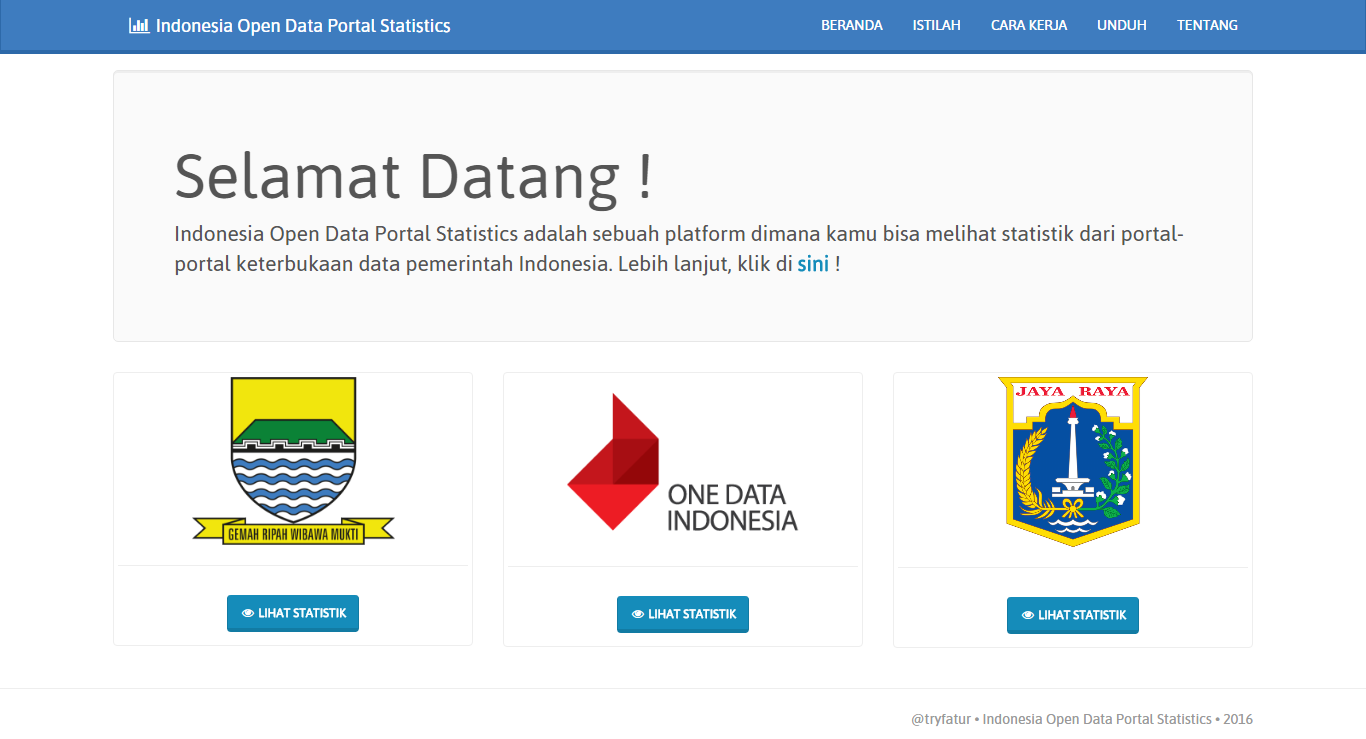
Indonesia Open Data: Promoting Public Access to Indonesia Government Information
Jakarta, turkeconom.com – Indonesia Open Data refers to the national effort to make government information more accessible, transparent, and usable for the public through open-data initiatives, digital platforms, and standardized information-sharing practices. It plays an important role in strengthening transparency, civic participation, innovation, and evidence-based decision-making by allowing citizens, researchers, journalists, businesses, and institutions to access public datasets more easily. In short, it is government information stepping out from behind the filing cabinet and onto the public stage.
What makes Indonesia Open Data especially significant is its connection to modern governance. Open data is not only about publishing files online, but also about creating systems where information is machine-readable, regularly updated, and legally and technically structured for reuse. In the Indonesian context, this supports broader goals such as digital transformation, accountable public service, smarter policy analysis, and collaboration between government and society.
What Indonesia Open Data Is
Indonesia Open Data refers to the publication and management of non-sensitive government data in formats that can be accessed, used, shared, and analyzed by the public. These datasets may cover areas such as population, health, education, budgeting, transportation, environment, agriculture, infrastructure, and regional administration. The broader concept includes not just the data itself, but also the policies, portals, standards, and governance practices that support openness.
Common elements associated with Indonesia Open Data include:
- Public access to government datasets
- Digital data portals and repositories
- Machine-readable formats
- Transparency and accountability goals
- Interagency data standardization
- Support for research and innovation
- Civic technology and public participation
- Responsible handling of non-sensitive information
These features help define how open data contributes to modern public administration.
Why Indonesia Open Data Matters
Indonesia Open Data matters because public access to structured government information can improve institutional trust, empower analysis, and support better social and economic outcomes.
Transparency and Accountability
Open access to government information helps citizens and oversight groups monitor public institutions more effectively.
Better Policy and Research
Researchers and analysts can use public datasets to identify trends, evaluate programs, and support evidence-based recommendations.
Innovation and Economic Value
Businesses, developers, and civic-tech communities can build services and tools using accessible public information.
Public Participation
Citizens gain stronger opportunities to engage with governance when information is easier to obtain and understand.
Digital Governance
Open data supports Indonesia’s broader shift toward more modern, interconnected, and data-driven public systems.
These strengths explain why open-data efforts are increasingly seen as a core part of good governance.
Core Characteristics of Indonesia Open Data
Its importance becomes clearer when its defining traits are viewed together.
| Characteristic | Description | Why It Matters |
|---|---|---|
| Accessibility | Government data is made available for public use | Expands access to information |
| Reusability | Data is shared in formats suitable for analysis and application | Enables broader practical use |
| Transparency focus | Information publication supports institutional openness | Builds public trust |
| Standardization | Data is organized through common structures and practices | Improves consistency and interoperability |
| Public benefit orientation | Data is released to support social, civic, academic, and economic value | Strengthens impact beyond government |
Together, these characteristics show why Indonesia Open Data is more than a technical project; it is a governance framework.
How Indonesia Open Data Is Commonly Experienced
Indonesia Open Data is commonly experienced through public data portals, ministry websites, local government platforms, statistical publications, dashboards, and downloadable datasets used by journalists, students, NGOs, academics, policy researchers, and software developers.
It is especially relevant for:
- Researchers and universities
- Journalists and media organizations
- Civic-tech communities
- Businesses using public-sector insights
- NGOs and advocacy groups
- Students and educators
- Citizens monitoring public policy
Its usefulness grows when the data is current, well-labeled, searchable, and easy to interpret.
Why It Remains Important
Indonesia Open Data remains important because public institutions increasingly rely on digital systems, and societies increasingly expect transparency, usability, and accountability from those systems. As demand grows for better governance, smarter planning, and stronger public trust, open data becomes a practical foundation for informed participation and institutional improvement. Of course, publishing the spreadsheet is only the beginning; making it clear, accurate, and usable is where the real work politely clears its throat.
It continues to stand out because it provides:
- Greater government transparency
- Better access to public information
- Stronger support for research and innovation
- Improved civic engagement
- A foundation for digital-era governance
This is why Indonesia Open Data continues to matter in discussions about public sector modernization and democratic accountability.
Final Thoughts
Indonesia Open Data highlights the growing importance of accessible government information in a digital society. Its value lies in enabling transparency, supporting analysis, encouraging innovation, and helping the public engage more meaningfully with institutions and policy. As Indonesia continues to modernize its public information systems, open data remains a vital part of making governance more visible, usable, and accountable.
The key takeaway is simple. Indonesia Open Data matters because open access to government information strengthens transparency, participation, and smarter decision-making.
Explore our “”Politic“” category for more insightful content!
Don't forget to check out our previous article: Konsolidasi Demokrasi: Understanding Democratic Consolidation in Indonesia
