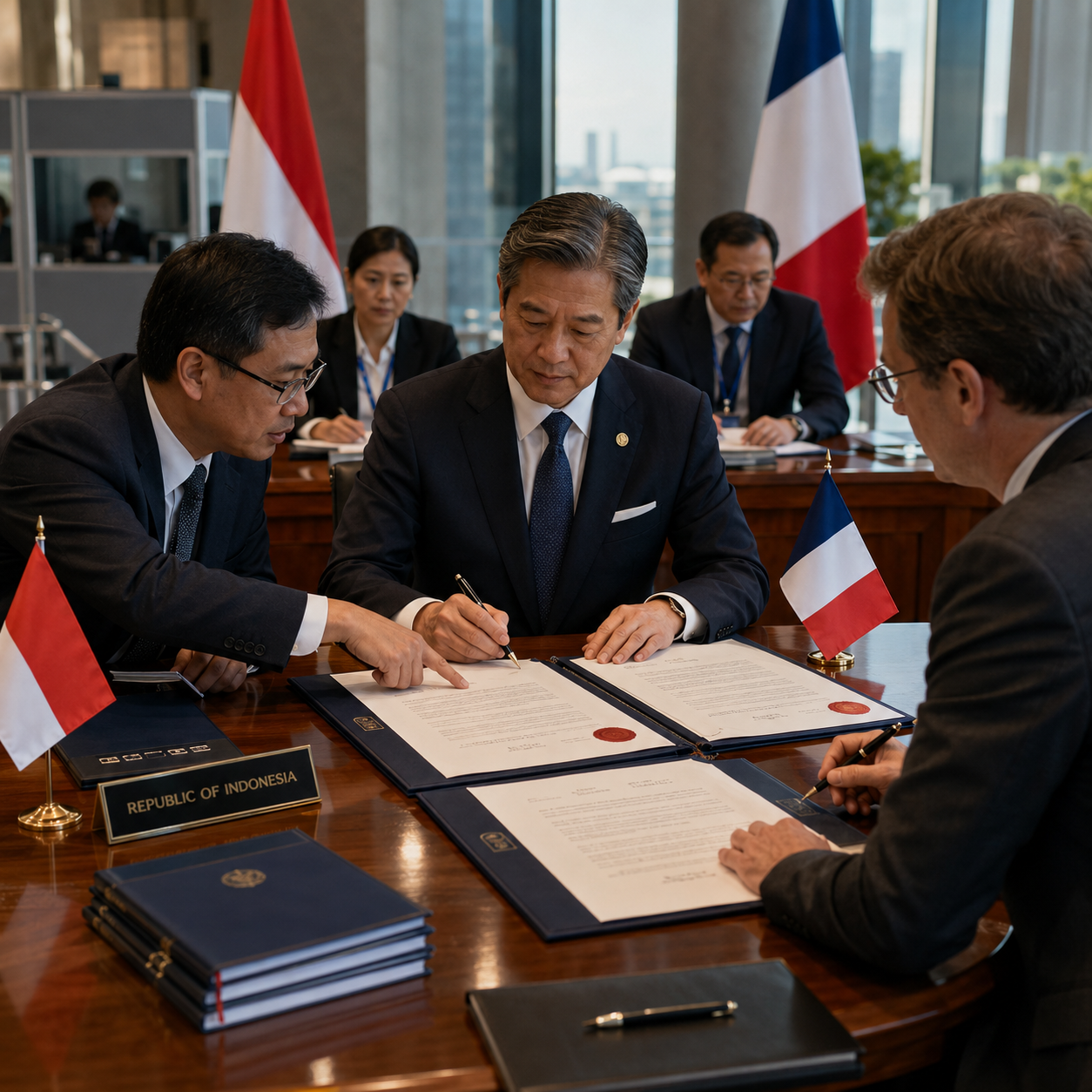
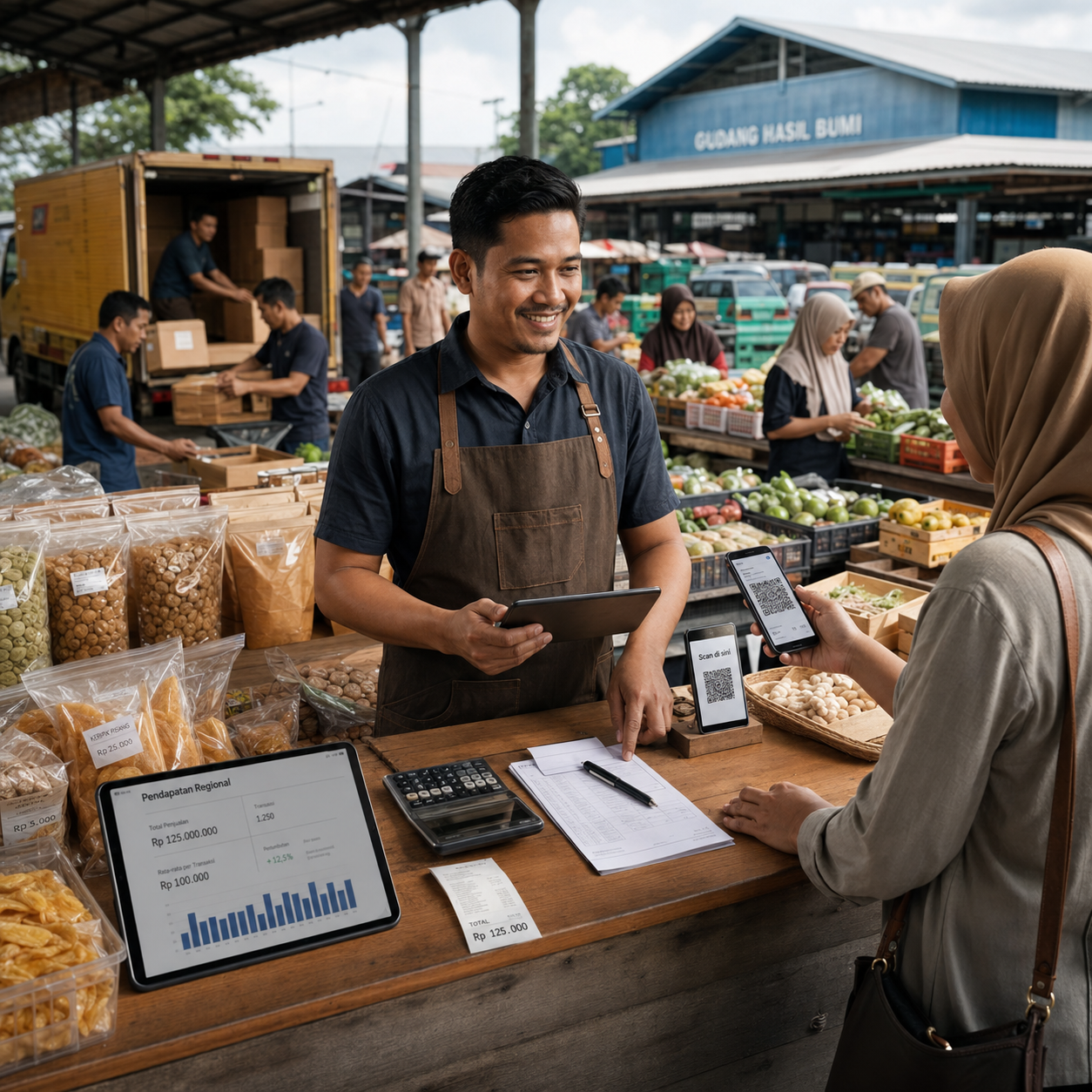
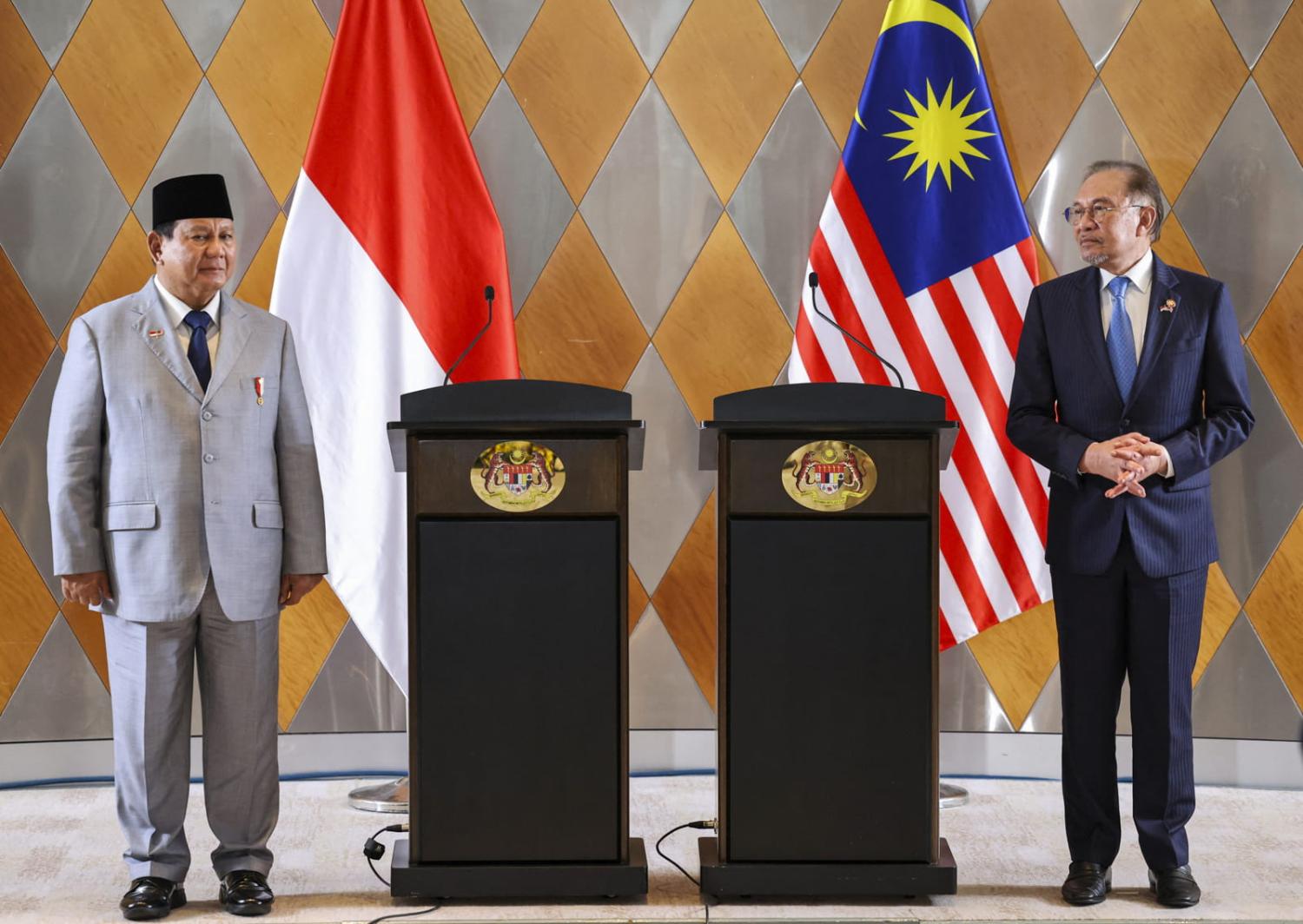
What makes Patronase Politic especially important in Indonesia is its persistence across different political eras. Even as democratic institutions have expanded and elections have become more competitive, patronage networks continue to influence candidate selection, campaign mobilization, public appointments, and the allocation of benefits. This does not mean Indonesian politics can be reduced entirely to patronage, but it does mean that informal exchange remains a powerful force within the political system. To understand the country’s democracy clearly, one must also understand the networks that operate behind the scenes, where loyalty may travel faster than ideology and favors can be more memorable than manifestos.
What Patronase Politic Means

Patronase Politic refers to a pattern of political relationships in which support is exchanged for benefits, opportunities, or access to state and non-state resources. These benefits can take many forms, ranging from jobs and contracts to protection, campaign togelon assistance, local development promises, or direct material incentives.
Common features of Patronase Politic include:
- Relationships between patrons and clients
- Exchange of loyalty for material or political benefit
- Use of informal networks alongside formal institutions
- Dependence on brokers or intermediaries
- Strategic distribution of resources
- Reinforcement of hierarchical political ties
In this model, political influence is often maintained not just through policy ideas, but through personalized networks of obligation and reward.
How Patronase Politic Works in Indonesia
In Indonesia, Patronase Politic often operates through layered relationships connecting national elites, regional power holders, party operatives, local brokers, and community leaders. These networks can become especially visible during elections, but they also function in daily governance and political negotiation.
Electoral Mobilization
Candidates may rely on local brokers, religious figures, or influential community actors to gather support and deliver votes.
Distribution of Benefits
Resources such as social assistance access, local projects, appointments, or contracts may be linked to political loyalty.
Party and Elite Networks
Internal party structures may reward allegiance, financing power, or factional connections over ideological consistency.
Regional Power Structures
At the local level, patronage may be sustained through family networks, bureaucratic ties, and business relationships.
Informal Mediation
Intermediaries often play a central role in connecting politicians to communities, especially where institutional trust is limited.
This makes Patronase Politic less a single mechanism than a broader ecosystem of reciprocal political exchange.
Core Dimensions of Patronase Politic
To better understand the structure of patronage networks, it helps to break the concept into several recurring dimensions.
| Dimension |
How It Appears |
Why It Matters |
| Resource Exchange |
Support traded for benefits or access |
Sustains political loyalty |
| Broker Networks |
Intermediaries link elites and voters |
Expands patron reach |
| Local Influence |
Community leaders mobilize support |
Strengthens grassroots control |
| Institutional Penetration |
Patronage enters parties and bureaucracy |
Weakens merit-based systems |
| Electoral Strategy |
Benefits used to secure votes |
Shapes democratic competition |
These dimensions show why Patronase Politic is both durable and adaptable within Indonesia’s political landscape.
Why Patronase Politic Persists
Patronase Politic persists because it offers practical advantages to both elites and followers, especially in environments where institutions are uneven, ideology is weakly rooted, and access to state resources remains highly valuable. For politicians, patronage can be an efficient way to build support quickly. For local actors and communities, it can provide tangible benefits that formal channels may fail to deliver reliably.
Several factors help sustain it:
- High campaign costs
- Weak party institutionalization
- Uneven public service delivery
- Strong local power brokers
- Personalistic political culture
- Economic dependence on access and connections
This persistence does not necessarily reflect public ignorance. In many cases, it reflects rational adaptation to the way power is experienced in everyday life.
Democratic Consequences
The presence of Patronase Politic has significant implications for democracy in Indonesia. On one hand, patronage networks can help connect politicians with communities and facilitate mobilization. On the other hand, they can distort representation by prioritizing loyalty, transactions, and personal networks over policy, accountability, and institutional fairness.
Potential consequences include:
- Reduced emphasis on programmatic politics
- Weakening of merit-based appointments
- Increased risk of corruption and favoritism
- Unequal access to public resources
- Entrenchment of local political dynasties
- Short-term transactional voting behavior
These effects can limit the quality of democratic competition even when elections remain formally open and competitive.
Patronase Politic and Political Reform
Understanding Patronase Politic is essential for any serious discussion of political reform in Indonesia. Reforms aimed only at legal structures may fall short if they do not address the informal networks that shape political incentives in practice. Stronger transparency, campaign finance regulation, party institutionalization, bureaucratic professionalism, and more equitable public service delivery are often discussed as ways to reduce dependence on patronage.
Important reform areas include:
- Campaign finance oversight
- Internal party democratization
- Merit-based public appointments
- Anti-corruption enforcement
- Strengthening local accountability
- Expanding reliable public services
These reforms are difficult because patronage is not merely a flaw at the edges of the system. In many cases, it is woven into how political relationships are built and maintained.
Final Thoughts
Patronase Politic remains a central concept for understanding political power in Indonesia because it highlights how informal networks of loyalty, exchange, and resource distribution continue to shape elections, governance, and representation. While democratic institutions have expanded, patronage practices remain influential in connecting elites, brokers, and communities across multiple levels of politics.
The key takeaway is simple. Patronase Politic is not just about favoritism or political reward. It is a broader system of relationship-based power that continues to influence how democracy functions in Indonesia.
Explore our “Politic” category for more insightful content!
Don't forget to check out our previous article: Political Opposition: A Necessary Component of Indonesia Unity