Understanding Civil Liberties in Indonesia
1. Definition and Importance
Civil liberties refer to the basic rights and freedoms that are guaranteed to individuals, typically enshrined in a constitution or legal framework. In Indonesia, these include the right to free speech, freedom of assembly, freedom of religion, and the right to privacy. Protecting civil liberties is essential for promoting individual dignity, encouraging civic engagement, and ensuring accountability within the government.
2. Legal Framework
Indonesia’s commitment to civil liberties is reflected in its Constitution, particularly in the 1945 Constitution, which guarantees various rights. Additionally, Indonesia is a signatory to international human rights treaties, including the International Covenant on Civil and Political Rights (ICCPR), which further obligates the government to uphold civil liberties.
Current State of Civil Liberties
1. Freedom of Expression
Freedom of expression is a cornerstone of civil liberties, allowing individuals to voice their opinions and engage in public discourse. However, in Indonesia, this freedom is often challenged by laws that restrict speech, such as the Information and Electronic Transactions Law (ITE Law), which has been used to prosecute individuals for online comments deemed offensive or defamatory. Activists and journalists face significant risks, including harassment and imprisonment, for expressing dissenting views.
2. Freedom of Assembly
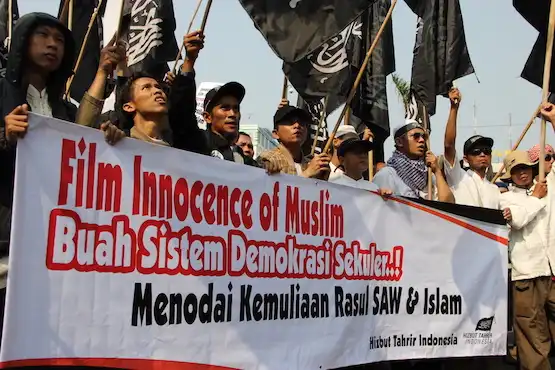
The right to peaceful assembly is also protected under Indonesian law, yet it is frequently restricted. Demonstrations and protests are often met with police resistance, and organizers may face legal repercussions. The government has imposed regulations requiring permits for public gatherings, which can be used to limit dissent and suppress civil society movements.
3. Religious Freedom
Indonesia is known for its religious diversity, with the majority of the population identifying as Muslim. While the Constitution guarantees freedom of religion, there are ongoing tensions and discrimination against religious minorities. Instances of intolerance and violence against non-Muslim communities, as well as restrictions on the practice of certain faiths, highlight the challenges to religious freedom in the country.
4. Right to Privacy
The right to privacy is increasingly important in the digital age. In Indonesia, concerns have arisen regarding government surveillance and data privacy, particularly with the rise of technology and social media. Legislative measures aimed at regulating online content often raise questions about the balance between security and individual privacy rights.
Challenges to Civil Liberties
1. Government Overreach
One of the primary challenges to civil liberties in Indonesia is government overreach. Laws intended to maintain public order can be misused to suppress dissent and limit freedoms. The government’s focus on national security often comes at the expense of individual rights, leading to a climate of fear among activists and citizens.
2. Censorship and Media Control
Censorship remains a significant issue in Indonesia, with the government exerting control over media outlets and online platforms. Journalists face threats and intimidation, leading to self-censorship. The lack of a free press undermines the ability of citizens to access information and hold the government accountable.
3. Social and Cultural Factors
Cultural norms and societal attitudes can also impede the advancement of civil liberties. Discrimination against marginalized groups, including women, LGBTQ+ individuals, and religious minorities, reflects deep-seated biases that challenge the realization of equal rights for all citizens.
Efforts to Defend Civil Liberties
1. Civil Society Advocacy
Civil society organizations play a crucial role in defending civil liberties in Indonesia. Activists work tirelessly to raise awareness of human rights issues, advocate for legal reforms, and provide support to victims of rights violations. Their efforts contribute to a more informed public and promote accountability within the government.
2. Legal Reforms
Ongoing legal reforms are essential for strengthening the protection of civil liberties. Advocacy for the repeal or amendment of restrictive laws, such as the ITE Law, aims to create a more favorable environment for free expression and assembly. Engaging with lawmakers and policymakers is vital for ensuring that civil liberties are prioritized in legislative agendas.
3. International Support and Collaboration
International organizations and foreign governments can provide support for civil liberties in Indonesia through advocacy, funding, and capacity-building initiatives. Collaborating with local organizations helps amplify their voices and strengthens the movement for human rights and democracy.
Conclusion
Indonesian civil liberties are essential for fostering a democratic society where individuals can freely express themselves, practice their beliefs, and participate in civic life. While challenges remain, ongoing advocacy, legal reforms, and support from civil society and the international community are crucial for defending and enhancing personal freedoms in Indonesia. By prioritizing civil liberties, Indonesia can work towards a more just and equitable society for all its citizens.