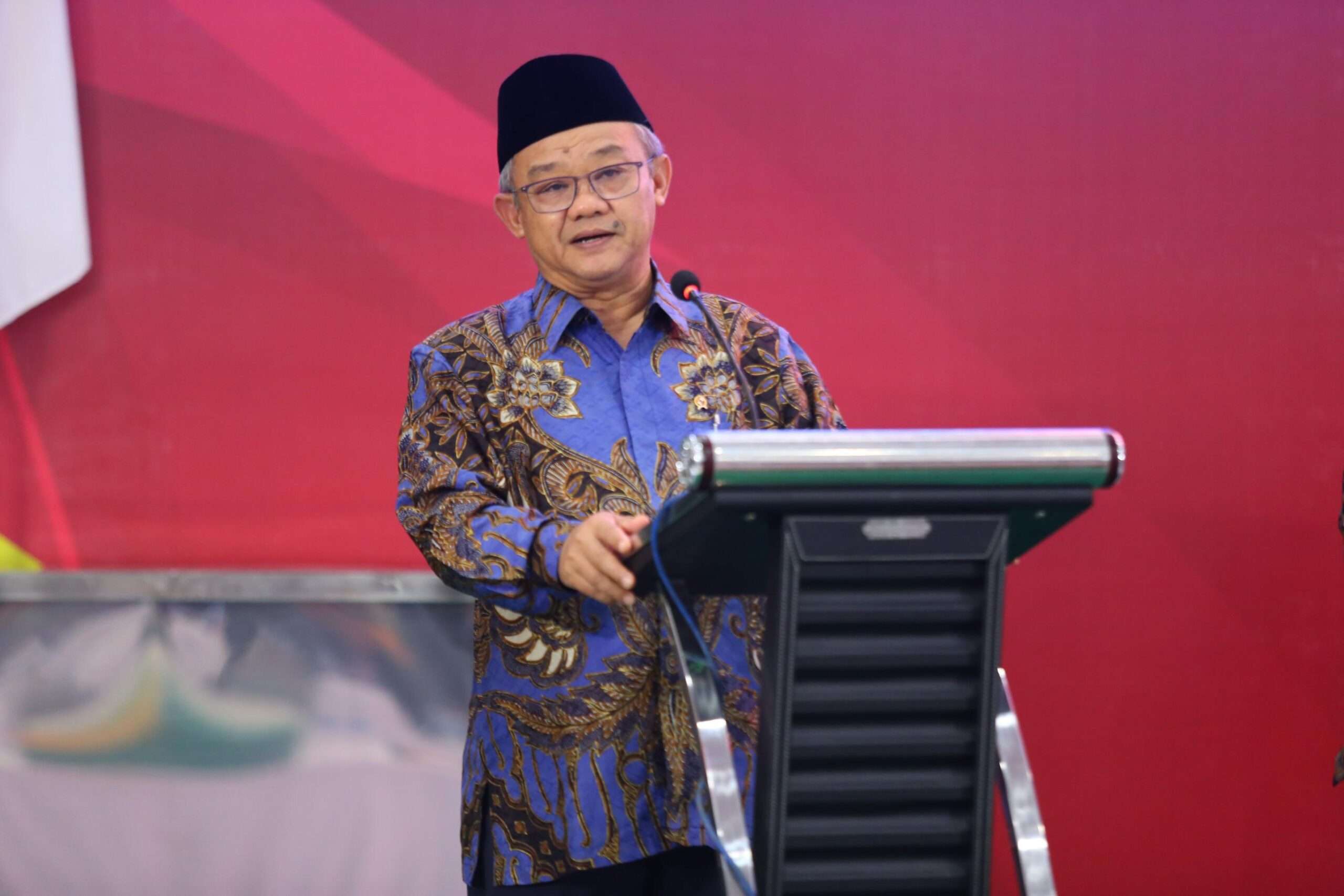
The Muhammadiyah Movement is one of the most significant Islamic organizations in Indonesia, playing a crucial role in shaping modernist Islamic thought and policy. Founded in 1912 by Ahmad Dahlan, Muhammadiyah has grown into a vast network of educational institutions, social services, and religious organizations. This article explores the key aspects of the Muhammadiyah Movement, its impact on modern Islamic thought, and my surprising observations regarding its influence on policy and society.
Historical Background of the Muhammadiyah Movement

The Muhammadiyah Movement emerged during a time of significant social and political change in Indonesia. It was a response to the growing need for reform within Islam, aiming to purify religious practices and promote a more rational and modern interpretation of the faith. Key historical points include:
- Founding Principles: Ahmad Dahlan emphasized the importance of education, social welfare, and a return to the original teachings of Islam. The movement sought to eliminate superstitions and practices that deviated from Islamic teachings.
- Expansion and Influence: Over the decades, Muhammadiyah expanded its reach by establishing schools, hospitals, and social organizations. It became a prominent force in Indonesian society, advocating for modernization and social justice.
Key Features of the Muhammadiyah Movement
1. Educational Initiatives
One of the most significant contributions of the Muhammadiyah Movement is its emphasis on education. The organization has established thousands of schools, colleges, and universities across Indonesia. These institutions focus on:
- Modern Curriculum: Muhammadiyah schools incorporate a modern curriculum that includes science, technology, and critical thinking alongside religious education.
- Access to Education: The movement has made education accessible to various segments of society, promoting literacy and empowering communities.
2. Social Welfare Programs
Muhammadiyah is deeply involved in social welfare initiatives, addressing issues such as poverty, health care, and disaster relief. Their programs include:
- Healthcare Services: The movement operates hospitals and clinics, providing affordable healthcare to underserved communities.
- Disaster Relief: Muhammadiyah has been active in disaster response, offering assistance during natural calamities and supporting affected communities.
3. Modernist Islamic Thought
The Muhammadiyah Movement advocates for a modernist interpretation of Islam, emphasizing:
- Rationality and Ijtihad: The movement encourages critical thinking and ijtihad (independent reasoning) to address contemporary issues, promoting a dynamic understanding of Islamic teachings.
- Interfaith Dialogue: Muhammadiyah promotes dialogue with other faiths, fostering tolerance and understanding in a diverse society.
Surprising Observations on Policy Influence
Through my exploration of the Muhammadiyah Movement, I have made several surprising observations regarding its influence on policy and societal dynamics:
1. Political Engagement
While Muhammadiyah has traditionally maintained a stance of political neutrality, it has increasingly engaged in political discourse. This shift has led to:
- Policy Advocacy: The movement actively advocates for policies that align with its values, such as education reform, social justice, and human rights. Their influence is evident in local and national policy discussions.
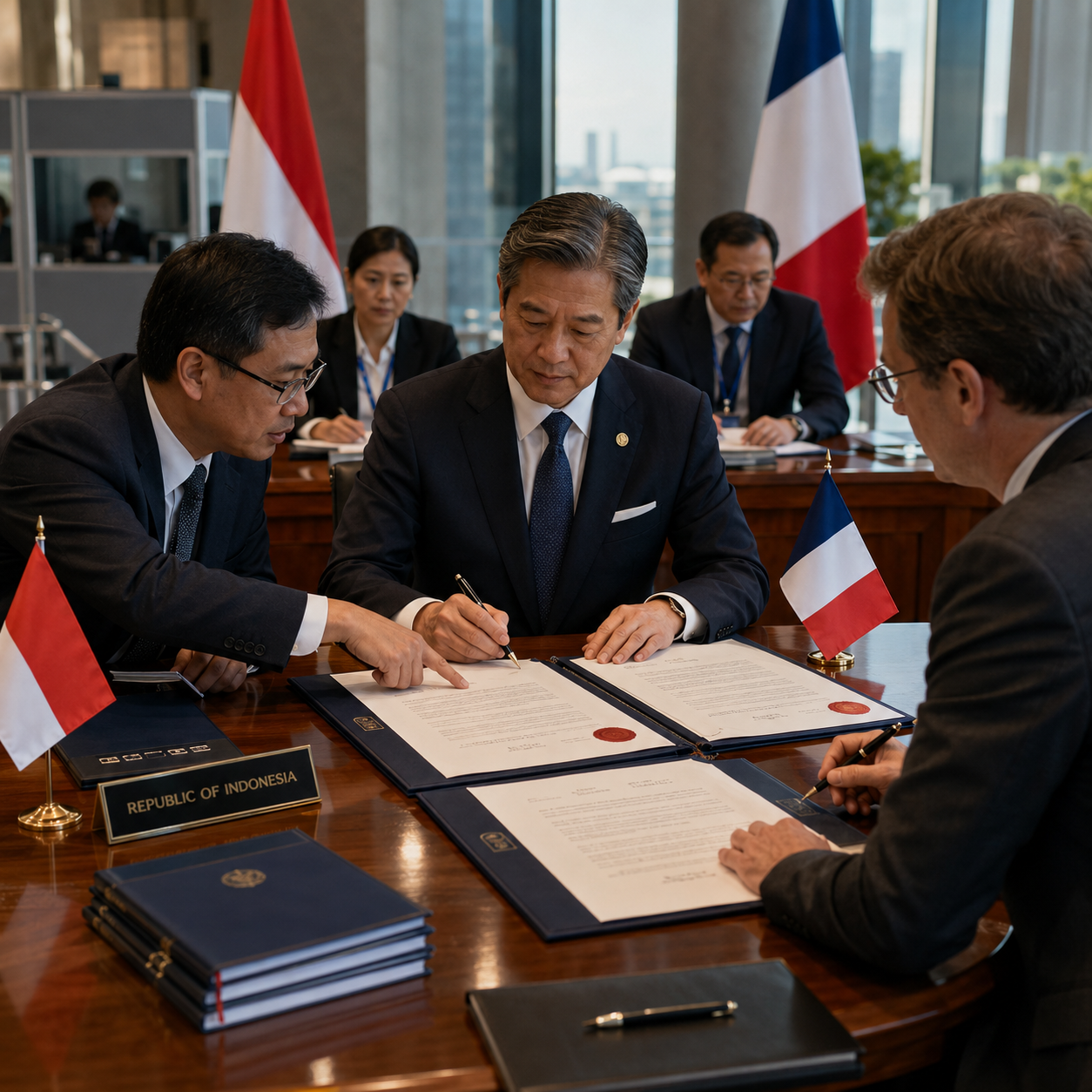
- Collaboration with Government: Muhammadiyah has collaborated with the Indonesian government on various initiatives, particularly in education and healthcare, showcasing its role as a key player in shaping public policy.
2. Youth Involvement
The involvement of youth in the Muhammadiyah Movement is noteworthy:
- Empowerment of Young Leaders: The movement has successfully empowered young leaders to take on roles in both the organization and broader society. This has led to innovative approaches to social issues and increased activism.
- Digital Engagement: Muhammadiyah has embraced digital platforms to reach younger audiences, utilizing social media to promote its message and engage in contemporary discussions.
3. Responses to Extremism
The Muhammadiyah Movement plays a crucial role in countering extremism:
- Promotion of Moderate Islam: By advocating for a moderate and rational interpretation of Islam, SITUSTOTO Muhammadiyah serves as a bulwark against extremist ideologies, promoting peace and tolerance.
- Community Resilience: The movement’s emphasis on education and social welfare strengthens community resilience, reducing the appeal of radical ideologies.
Conclusion
The Muhammadiyah Movement stands as a testament to the power of modernist Islamic thought and its ability to influence policy and society positively. Through its commitment to education, social welfare, and rational interpretations of Islam, Muhammadiyah has made significant strides in promoting a progressive vision of Islam in Indonesia. My observations reveal that the movement is not only a religious organization but also a vital force in shaping the future of Indonesian society. As it continues to adapt to contemporary challenges, the Muhammadiyah Movement remains a beacon of hope and modernity in the Islamic world.