In any democratic system, legislative power is a fundamental component that shapes the governance and direction of a nation. In Indonesia, this power is primarily vested in two key institutions: the Dewan Perwakilan Rakyat (DPR) and the Majelis Permusyawaratan Rakyat (MPR). Understanding the roles and functions of these bodies is crucial for grasping how laws are made, how public policies are developed, and how citizens can influence their government. This article delves into the importance of legislative power, the specific roles of the DPR and MPR, and why their functions matter more than you might think.
What is Legislative Power?

Legislative power refers to the authority to make, amend, and repeal laws. It is an essential aspect of the separation of powers in a democratic system, which typically includes the executive, legislative, and judicial branches. The legislative branch is responsible for representing the interests of the people, scrutinizing government actions, and ensuring accountability through law-making processes.
The Role of DPR (Dewan Perwakilan Rakyat)
The DPR, or the House of Representatives, is one of the two chambers of Indonesia’s legislative body. It plays a pivotal role in the legislative process and has several key functions:
1. Law-Making
The primary responsibility of the DPR is to draft, discuss, and pass laws. Members of the DPR represent the interests of their constituents, ensuring that the laws enacted reflect the needs and aspirations of the population. This law-making power is crucial for addressing various social, economic, and political issues.
2. Budget Approval
The DPR holds the authority to approve the national budget proposed by the executive branch. This function is vital as it determines how public funds are allocated and spent, impacting various sectors such as education, health, infrastructure, and social welfare.
3. Oversight of the Executive
The DPR has the power to oversee the actions of the executive branch, ensuring that government policies are implemented effectively and transparently. This oversight includes the ability to conduct investigations, hold hearings, and question government officials, thereby promoting accountability.
4. Representation
Members of the DPR are elected representatives who voice the concerns and interests of their constituents. This representative function is essential in a democracy, as it ensures that diverse perspectives are considered in the legislative process.
The Role of MPR (Majelis Permusyawaratan Rakyat)
The People’s Consultative Assembly (MPR) is made up of representatives from both the DPR and the DPD (Dewan Perwakilan Daerah, or Regional Representative Council). The MPR has distinct roles that complement those of the DPR:
1. Constitutional Amendments
The MPR has the authority to propose and approve amendments to the Constitution. This power is significant as it allows for the evolution of the legal framework governing the country, adapting to changing societal needs and values.
2. Presidential Inauguration
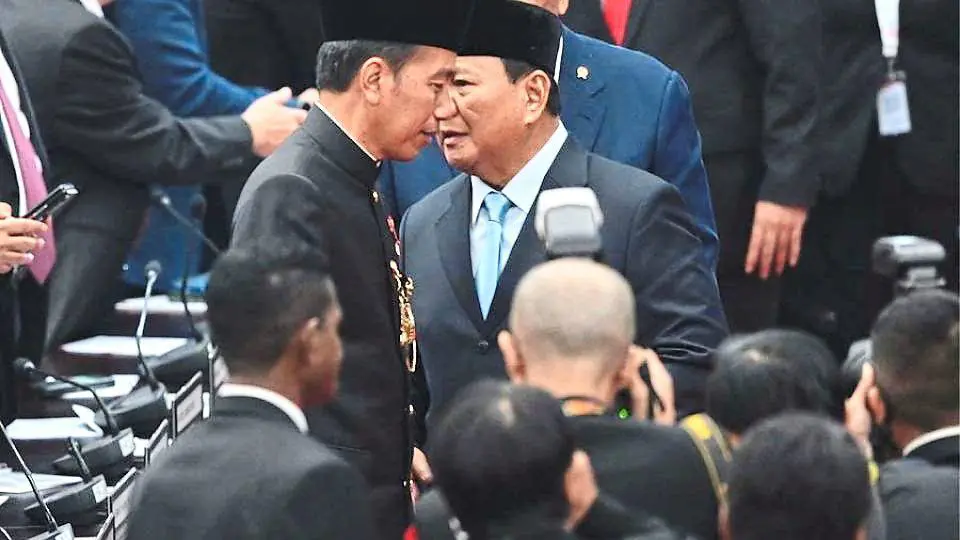
The MPR is responsible for the inauguration of the President and Vice President of Indonesia. This role underscores the MPR’s importance in the democratic process, as it formally recognizes the leaders elected by the people.
3. National Policy Direction
The MPR plays a role in determining the broad direction of national policies through its ability to issue decrees that guide the government’s development goals and priorities. This function helps align the government’s actions with the aspirations of the Indonesian people.
Why Legislative Power Matters More Than You Think
The legislative power held by the DPR and MPR is crucial for several reasons:
1. Ensuring Democracy
Legislative power is a cornerstone of democracy, allowing citizens to have a voice in the laws that govern their lives. Through elected representatives, the public can influence policy decisions and hold the government accountable.
2. Promoting Social Justice
Effective legislation can address social inequalities and promote justice. The DPR and MPR have the potential to enact laws that protect marginalized groups, ensure equal rights, and foster inclusive development.
3. Economic Development
Legislative power plays a vital role in shaping economic policies that drive growth and development. By approving budgets and creating laws that support business and investment, the DPR can stimulate economic activity and improve the standard of living for citizens.
4. National Stability
A strong legislative body can contribute to national stability by fostering dialogue and consensus among diverse groups. The DPR and MPR can serve as platforms for negotiation and collaboration, reducing conflict and promoting unity.
5. Responding to Crises
In times of crisis, such as natural disasters or public health emergencies, the legislative branch can enact laws and allocate resources swiftly to address urgent needs. This responsiveness is essential for effective governance and public safety.
Conclusion
Legislative power is not just a bureaucratic function; it is a vital mechanism through which citizens can influence their government and shape their society. The roles of the DPR and MPR in Indonesia exemplify how legislative bodies can impact every aspect of life, from law-making and budget approval to oversight and representation. Understanding these roles helps citizens appreciate the importance of their participation in the democratic process and the need for active engagement with their representatives.
As we navigate the complexities of governance and public policy, recognizing the significance of legislative power empowers us to advocate for change and hold our leaders accountable. The work of the DPR and MPR matters more than you think—it is the foundation upon which a just and democratic society is built.