




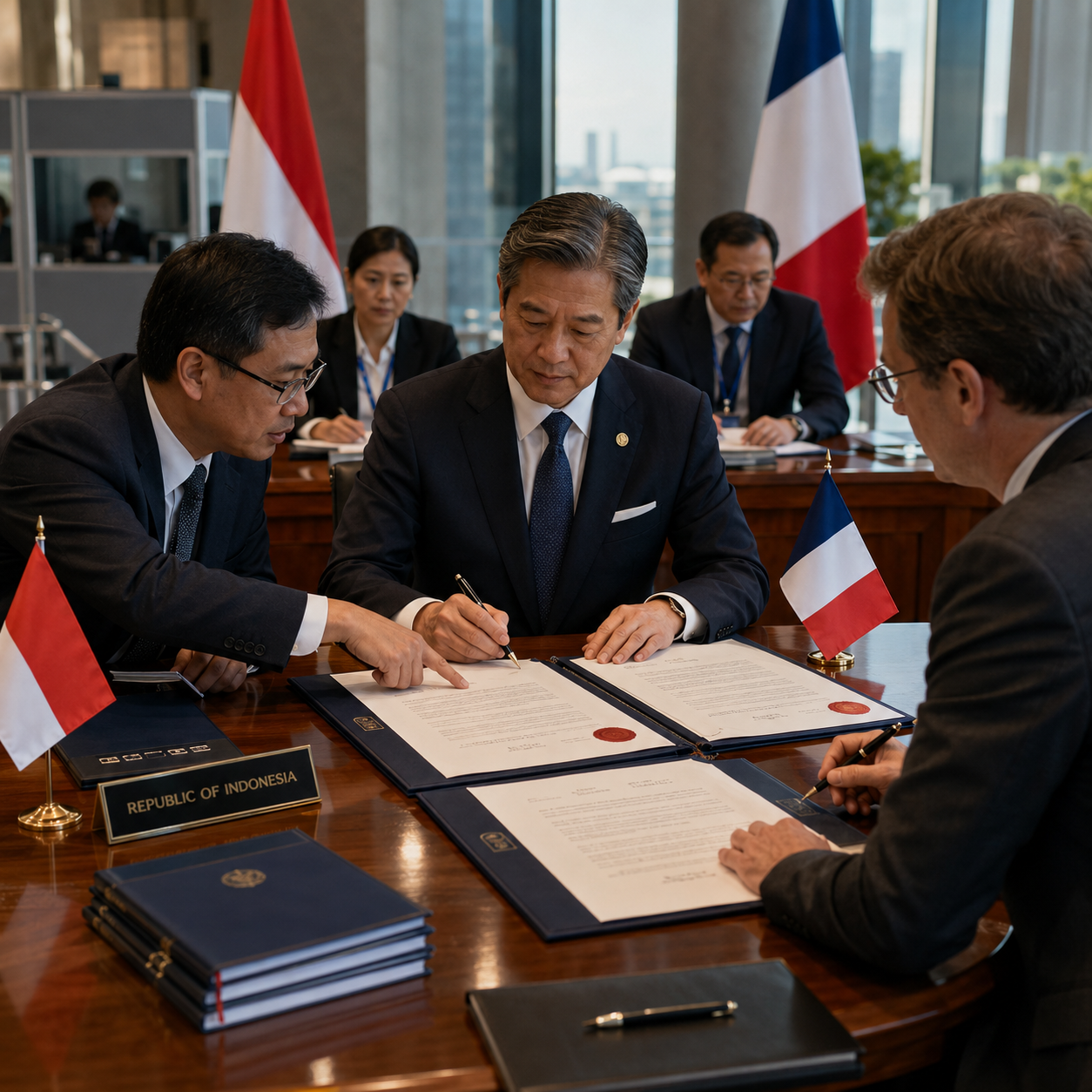






Indonesia Political Patronage: Mechanisms, Consequences, and Reform Strategies Everyone Needs to Know
JAKARTA, turkeconom.com – So, let’s talk about Indonesia Political Patronage: Mechanisms, Consequences, and Reform Strategies. I’ve followed this topic for years, sometimes the hard way—especially when my own work got tangled up in politic stuff I barely noticed until too late. If you’re curious about why some politicians always seem to have their loyal crew, you’re not alone!
Indonesia political patronage is a complex and pervasive phenomenon that has significant implications for governance, democracy, and social equity in the country. Understanding the mechanisms of political patronage, its consequences, and potential reform strategies is crucial for anyone interested in Indonesian politics and its future.
What is Political Patronage?
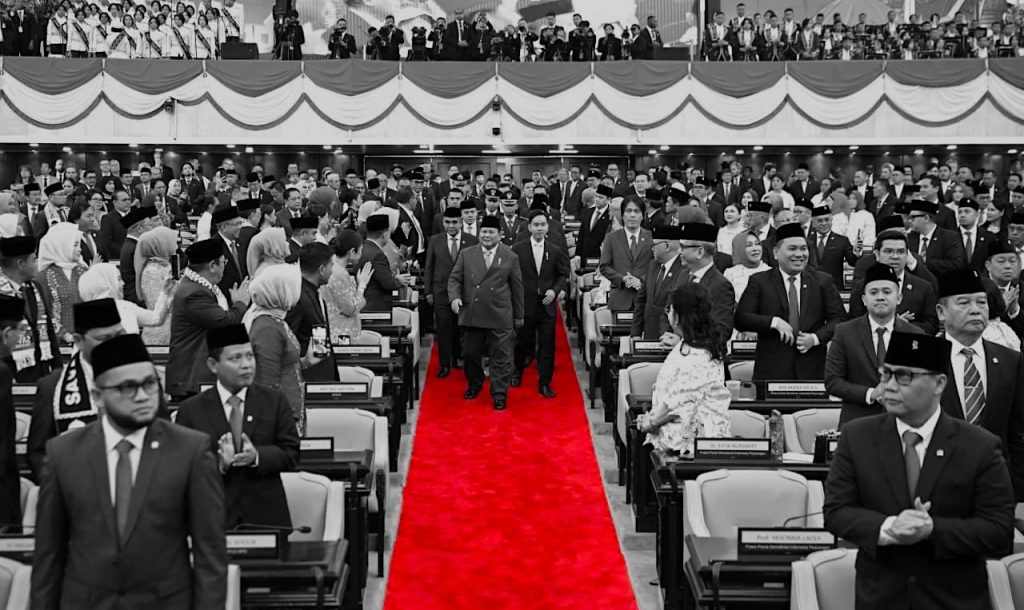
Political patronage refers to the practice where political leaders provide resources, benefits, or favors to their supporters in exchange for political loyalty and support. In Indonesia, this often manifests through the distribution of government positions, contracts, and public services to loyalists, creating a system where personal connections and loyalty can overshadow merit-based governance.
Mechanisms of Political Patronage in Indonesia
- Clientelism: This is a prevalent form of patronage in Indonesia, where politicians provide tangible benefits (such as money, jobs, or services) to constituents in exchange for their votes and loyalty. This creates a cycle of dependency where voters feel obligated to support their patrons.
- Political Parties: Indonesian political parties often rely on patronage networks to mobilize support. Leaders distribute resources to party members and local leaders, ensuring loyalty and maintaining control over party dynamics.
- Bureaucratic Appointments: Political patronage is evident in the appointment of bureaucrats and civil servants. Positions are often filled based on political connections rather than qualifications, leading to inefficiencies and corruption within the public sector.
- Public Contracts and Projects: Government contracts for infrastructure and development projects are frequently awarded to businesses with close ties to political leaders. This results in a lack of transparency and accountability, as contracts may be awarded based on favoritism rather than merit.
- Election Financing: Political campaigns in Indonesia often rely on patronage networks for funding. Candidates may engage in patronage practices to secure financial support, further entrenching the system.
Consequences of Political Patronage
The implications of political patronage in Indonesia are far-reaching and multifaceted:
- Corruption: Patronage systems foster corruption, as politicians and bureaucrats may engage in bribery and embezzlement to maintain their networks and secure resources.
- Inequality: Political patronage often exacerbates social inequalities, as benefits are distributed unevenly. Those with political connections receive preferential treatment, while marginalized groups are left without access to resources.
- Weak Governance: The reliance on patronage undermines the effectiveness of governance. Public officials may prioritize loyalty over competence, leading to inefficiencies and poor public service delivery.
- Erosion of Democracy: Political patronage can distort democratic processes by prioritizing personal connections over the will of the electorate. Voter manipulation and coercion are common, undermining the integrity of elections.
- Social Fragmentation: Patronage systems can deepen social divisions, as different groups vie for resources and support from political leaders. This can lead to conflict and instability within communities.
Reform Strategies to Address Political Patronage
To combat the negative effects of political patronage in Indonesia, several reform strategies can be implemented:
- Strengthening Institutions: Enhancing the capacity and independence of institutions, such as anti-corruption agencies and electoral commissions, is crucial. These bodies should be empowered to investigate and prosecute corrupt practices without political interference.
- Promoting Transparency and Accountability: Implementing transparent processes for public contracts, appointments, and government services can help reduce opportunities for patronage. Public access to information about government activities should be prioritized.
- Electoral Reform: Introducing electoral reforms that promote fair competition and reduce the influence of money in politics can help diminish patronage networks. This includes campaign finance regulations and measures to ensure free and fair elections.
- Civic Engagement and Education: Encouraging civic engagement and educating citizens about their rights and the importance of accountability can empower voters to demand better governance. Grassroots movements can play a vital role in advocating for reforms.
- Decentralization and Local Governance: Strengthening local governance structures can help reduce reliance on central patronage networks. Empowering local governments to make decisions and allocate resources can promote more equitable distribution of benefits.
- Encouraging Merit-Based Recruitment: Implementing merit-based recruitment and promotion systems within the bureaucracy can help reduce patronage in public service. Training and capacity-building initiatives can enhance the skills of civil servants, fostering a more effective public sector.
Conclusion
Indonesia political patronage is a significant challenge that affects governance, democracy, and social equity in the country. Understanding its mechanisms and consequences is essential for addressing its negative impacts. By implementing effective reform strategies, Indonesia can work towards a more transparent, accountable, and equitable political system. As citizens, policymakers, and stakeholders engage in this process, they can contribute to a brighter future for Indonesian democracy and governance.
Explore our “Politic” category for more insightful content!
Don't forget to check out our previous article: Pancasila sebagai Ideologi: The Main Pillars of Indonesia Unity and National Development
