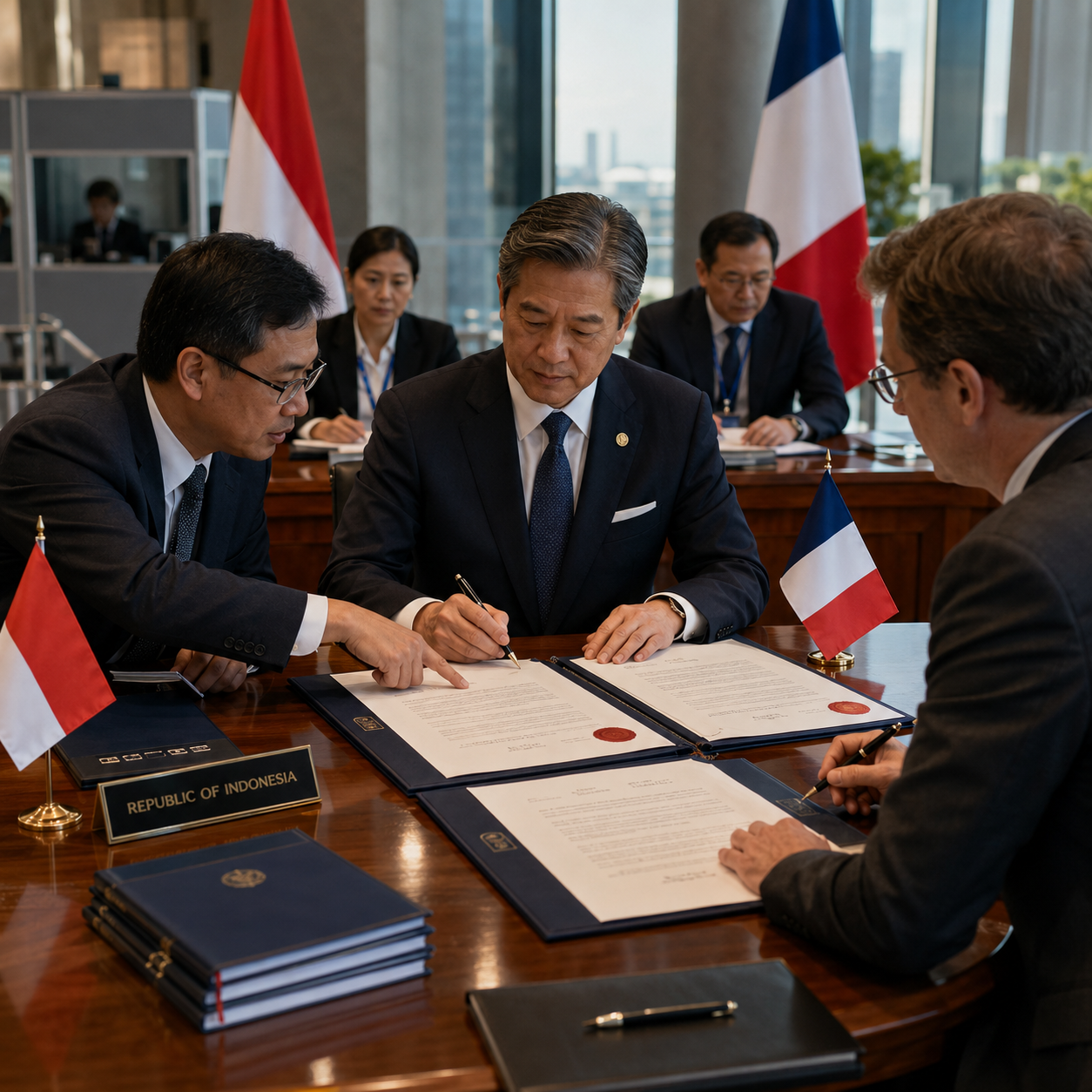
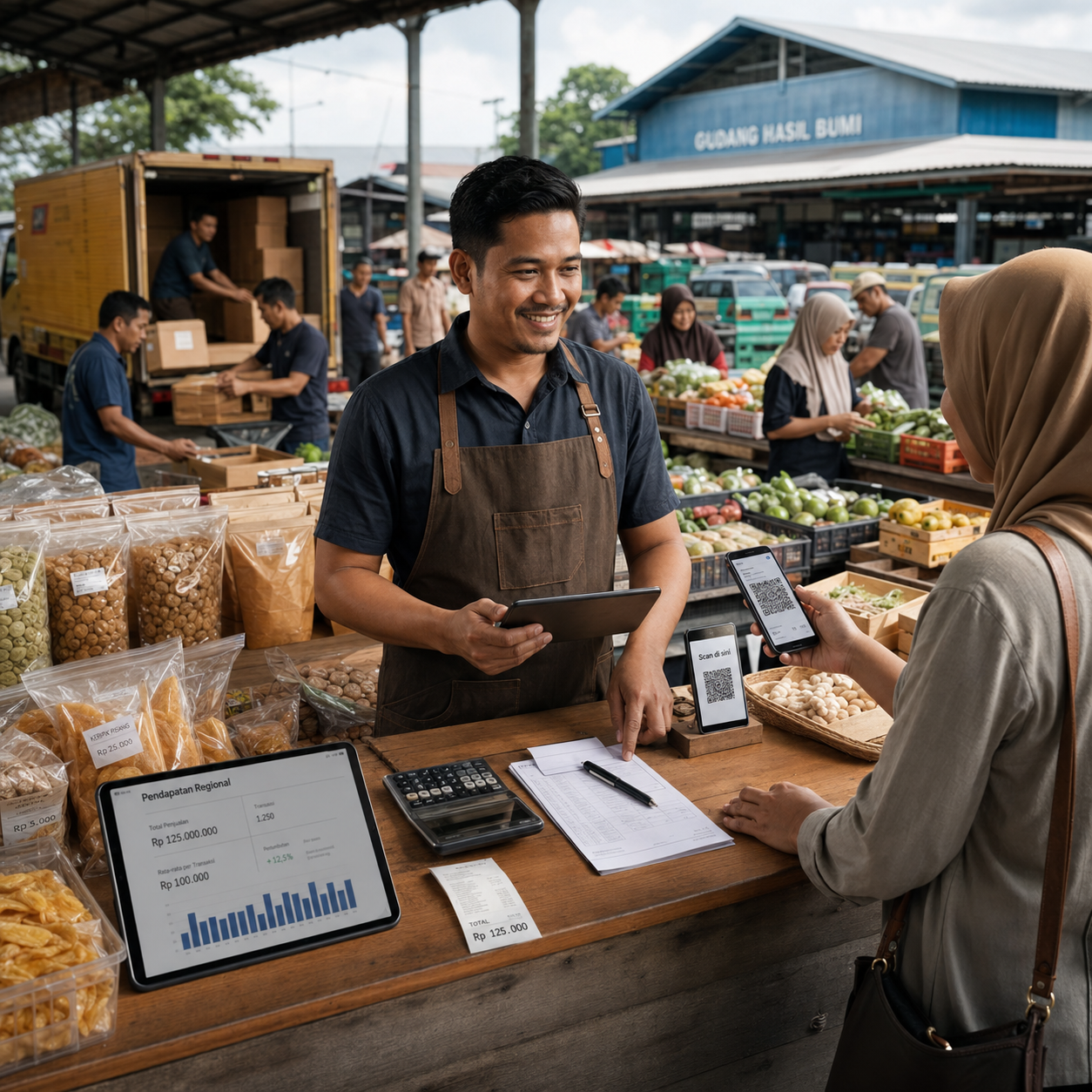
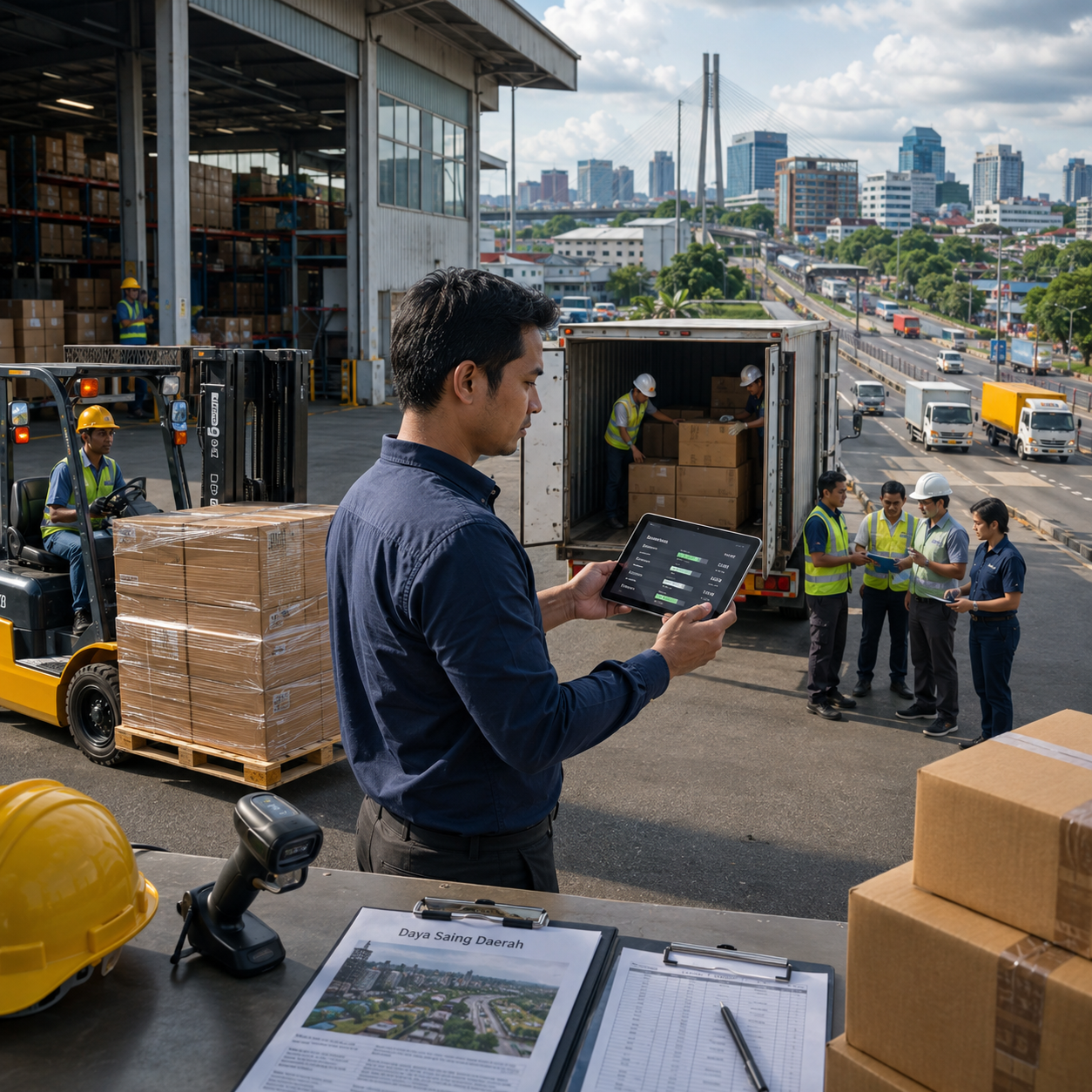
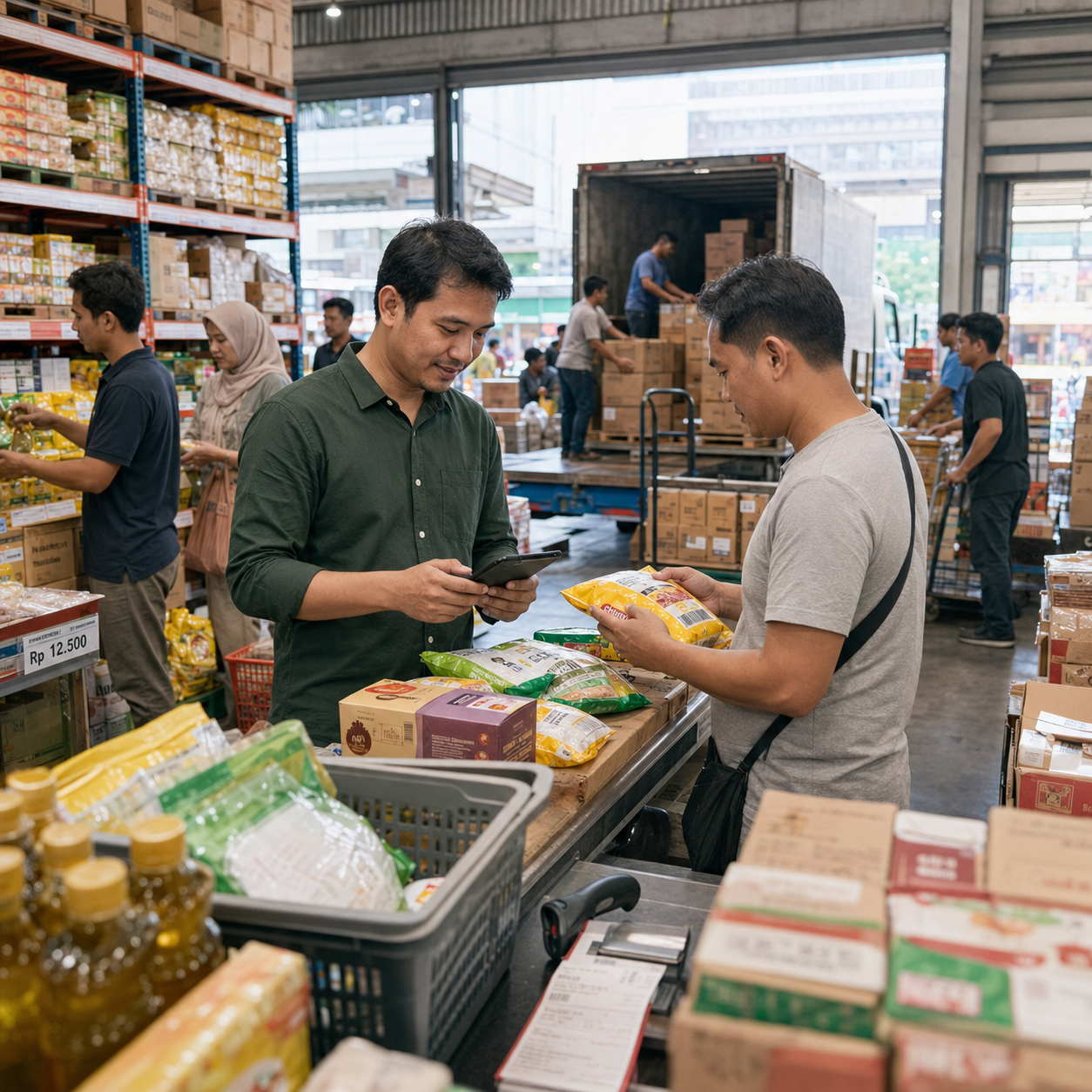
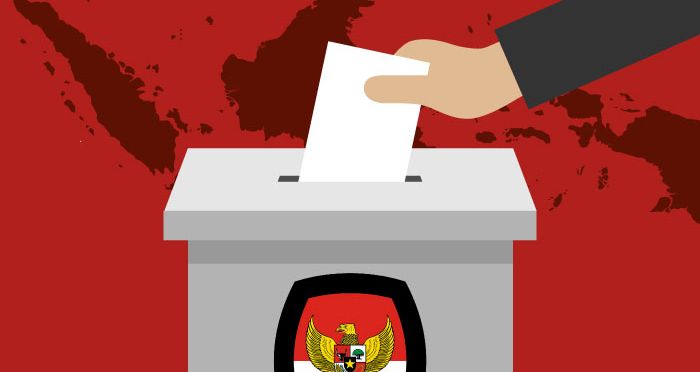
The legislative election in Indonesia is a crucial event that significantly impacts the country’s governance and policy-making landscape. As citizens head to the polls to elect their representatives, the outcomes of these elections shape the composition of the parliament and influence the direction of national policies. In this article, we will explore the importance of legislative elections in Indonesia, share real voters’ stories, and discuss how these elections affect the lives of everyday citizens.
Understanding Legislative Elections in Indonesia
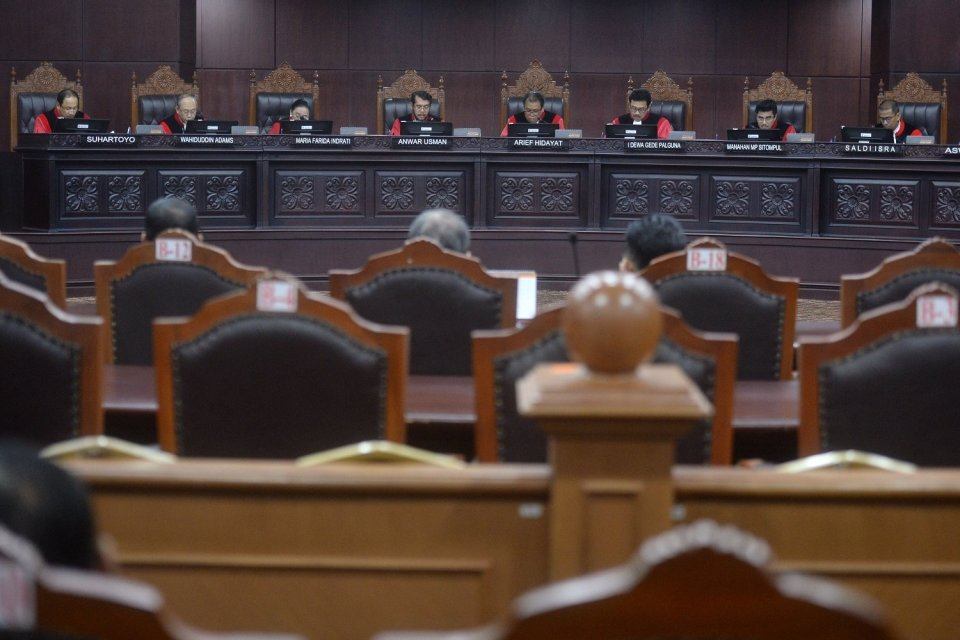
Legislative elections in Indonesia occur every five years, allowing citizens to elect members of the People’s Consultative Assembly (MPR), which consists of the Regional Representative Council (DPD) and the People’s House of Representatives (DPR). These elected officials play a vital role in shaping laws, approving budgets, and representing the interests of their constituents.
Key Features of Indonesia’s Legislative Elections:
- Multi-Party System: Indonesia has a diverse political landscape with multiple parties vying for seats in the parliament. This diversity allows for a range of voices and perspectives in the legislative process.
- Proportional Representation: The electoral system is based on proportional representation, meaning that parties gain seats in parliament based on the percentage of votes they receive. This system encourages smaller parties to participate and represent various interests.
- Voter Participation: Voter turnout is essential for a healthy democracy. Engaging citizens in the electoral process ensures that the elected representatives accurately reflect the will of the people.
The Impact of Legislative Elections on Policy-Making
Legislative elections have a direct impact on policy-making in Indonesia. The elected members of parliament are responsible for proposing, debating, and enacting laws that affect various aspects of life, including:
1. Economic Policies
The composition of parliament influences economic policies, such as taxation, investment, and social welfare programs. Elected representatives advocate for policies that align with the interests of their constituents, affecting economic growth and development.
2. Social Issues
Legislators play a crucial role in addressing social issues, including education, healthcare, and gender equality. The priorities of elected officials can lead to significant changes in social policies that impact the quality of life for citizens.
3. Environmental Regulations
With environmental concerns becoming increasingly important, legislative elections determine the direction of policies related to natural resource management, climate change, and sustainability. Elected representatives influence the balance between economic development and environmental protection.
Real Voters’ Stories
Hearing from real voters provides valuable insights into the significance of legislative elections in Indonesia. Here are a few stories that highlight the experiences and perspectives of citizens:
1. Rina from Jakarta
Rina, a 28-year-old teacher, shares her thoughts on the importance of voting in legislative elections. “I believe that every vote counts. When I vote for my representative, I’m choosing someone who will advocate for better education policies. As a teacher, I want to see improvements in our education system.”
2. Budi from Surabaya
Budi, a small business owner, emphasizes the impact of economic policies on his livelihood. “During the last election, I voted for a candidate who promised to support small businesses like mine. It’s crucial for us to have representatives who understand our challenges and can create policies that help us thrive.”
3. Siti from Yogyakarta
Siti, a university student, reflects on the role of youth in the electoral process. “Many young people feel disillusioned with politics, but I believe we can make a difference. By participating in legislative elections, we can elect leaders who prioritize issues like climate change and social justice.”
4. Agus from Bali
Agus, an environmental activist, shares his concerns about sustainability. “I vote for candidates who prioritize environmental protection. Legislative elections are our chance to choose representatives who will advocate for policies that safeguard our natural resources for future generations.”
Conclusion: The Power of Legislative Elections
The legislative election in Indonesia is a vital mechanism for shaping the country’s governance and policy-making landscape. Through the stories of real voters, we see the profound impact that elected representatives have on the lives of citizens. Engaging in the electoral process is essential for ensuring that the voices of the people are heard and represented in parliament. As Indonesia moves forward, the participation of its citizens in legislative elections will continue to play a crucial role in shaping a brighter future for the nation.